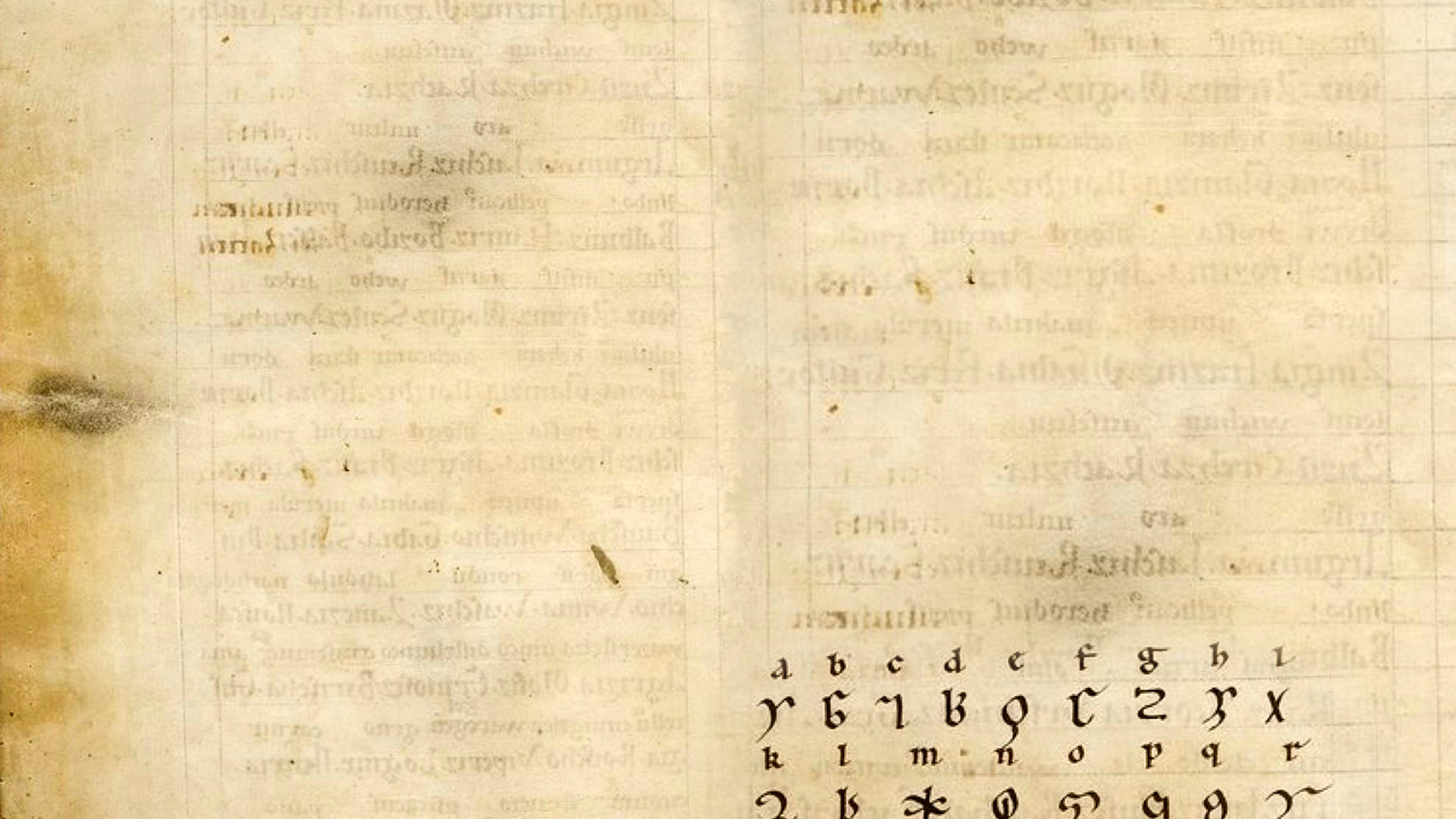
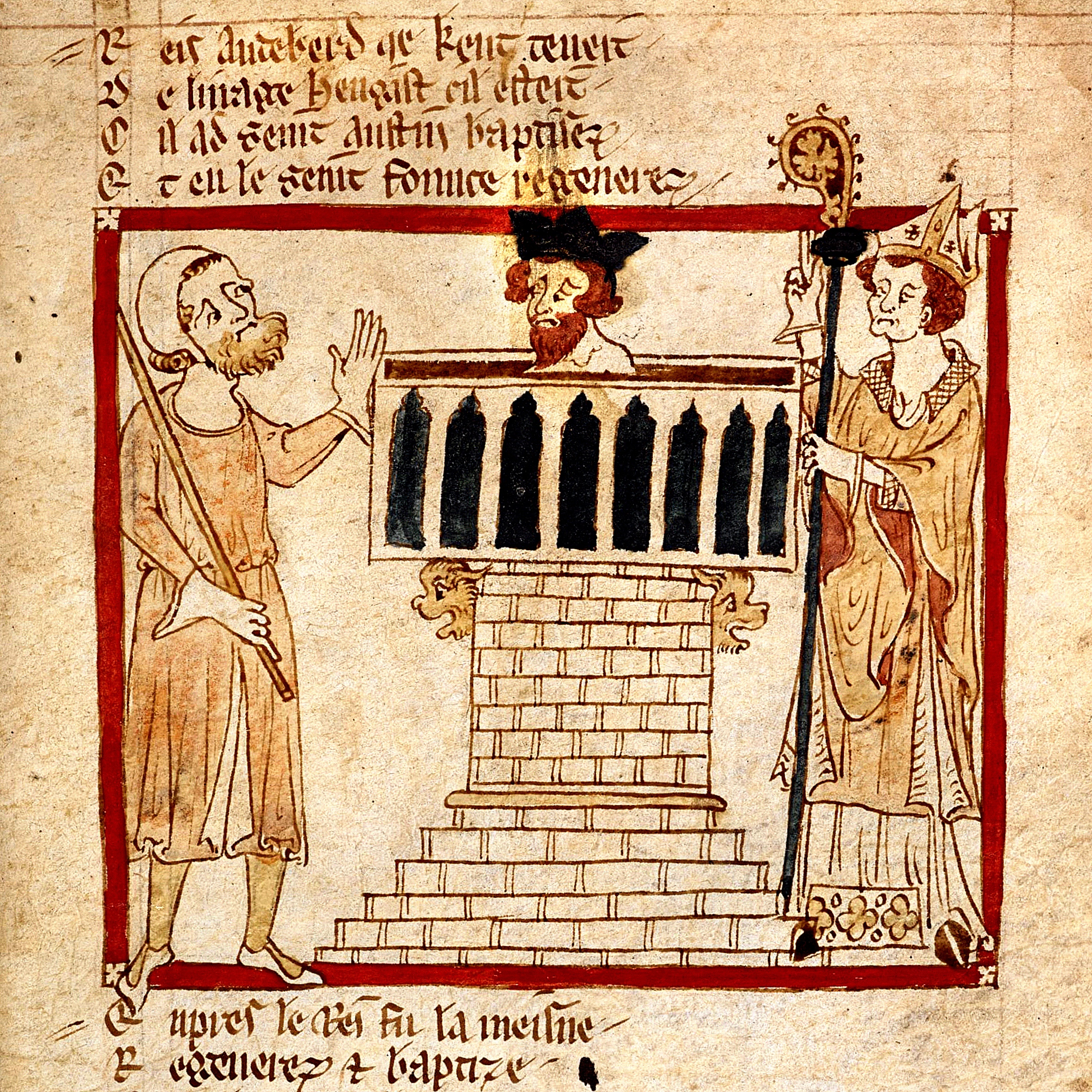
 The Rune poem names two gods: Tiw and Ing. Three if you count Os which means god and describes Odin. If we set aside all the sacred trees, and we shouldn’t, we still have one more god mention: the holy king of heaven in the Year stanza, who must be the Christian god, unnamed. This Christian incursion into a poem full of non Christian deities, two named right out loud in answer to their stanza riddles, sometimes poses a different kind of riddle for Christian readers and translators. Perhaps duty bound to exalt their own, they often determine this is a Christian poem written by a Christian poet who would never allow heaven’s king to share an equal stage with other gods. This was a preference undoubtedly popular amongst Christian poets writing in Old English back in the day, so I can see the impulse. But I am here to encourage the … More

Tag Archives: Pope Gregory
Eo is for Eorl
 An eorl is an earl, a noble person, sometimes a relative of the king, who acts as a local governor within a king’s domain. Eorl is the same word as the Old Norse jarl, meaning a hereditary chieftain, then later a noble person holding a rank just under the king. The eorl and the jarl are in charge of vast lands and lots of people. In Britain, before there were earls or kings, the Romans ran the place and for a brief moment ran the entire Roman empire from Britain until they abandoned it around the year 410, leaving behind a population without a stable government and who still saw themselves as Roman. When a government packs up and leaves they don’t just shut off the lights. Within the next century and a half, the people organized themselves into a government that looked much like the old one, establishing kingdoms with laws governed regionally … More
Rune Casting: Lagu
 You have been rock and hard placing for so long you think time isn’t passing. Do you see your destination through the storm? Or will it take you too long to get there? No. You’re not looking ahead. You don’t look forward whilst hanging on for dear life, riding it out directionless. You’re in a tempest love, and you don’t control the weather.
Crann Bethadh
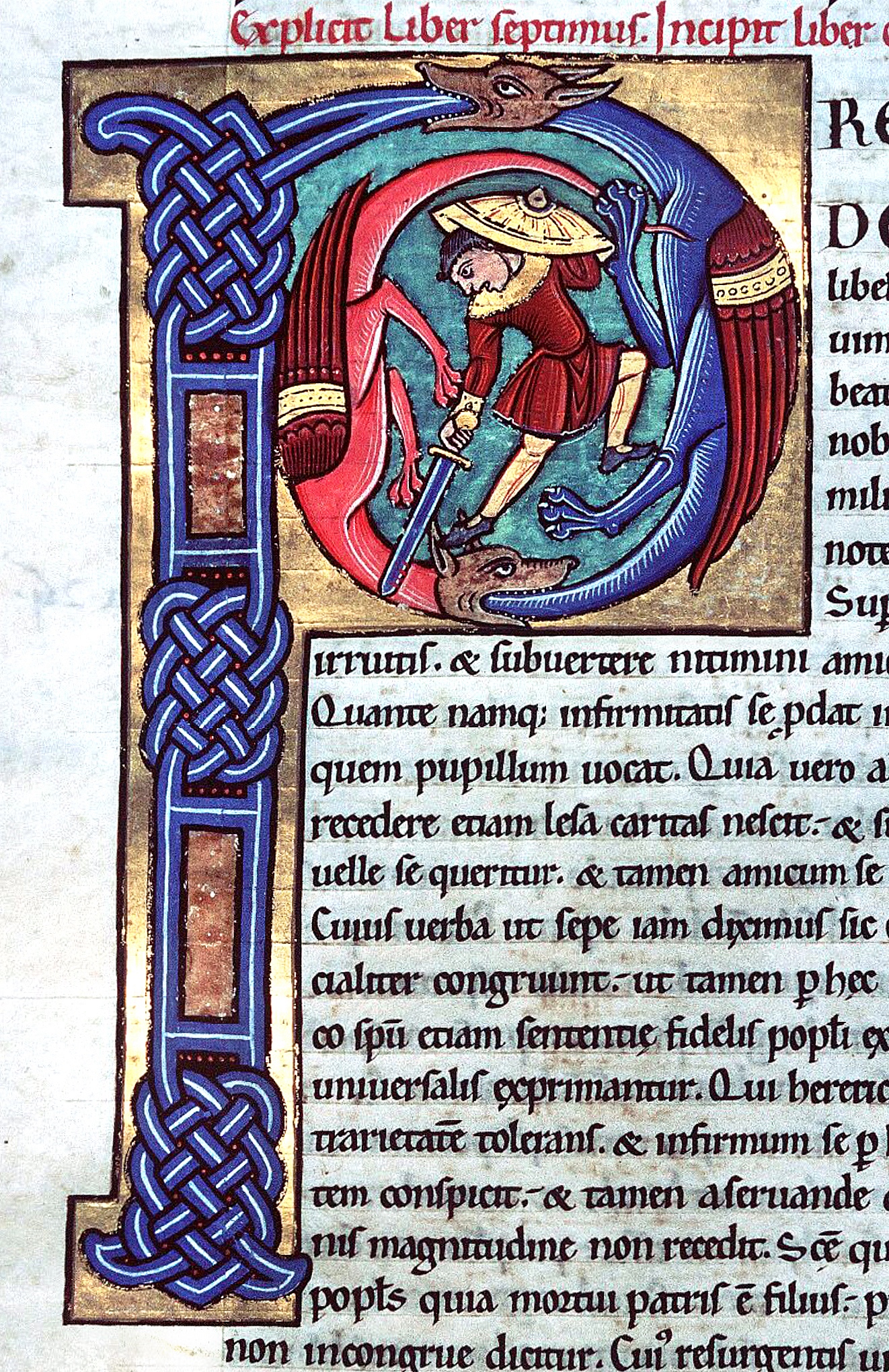
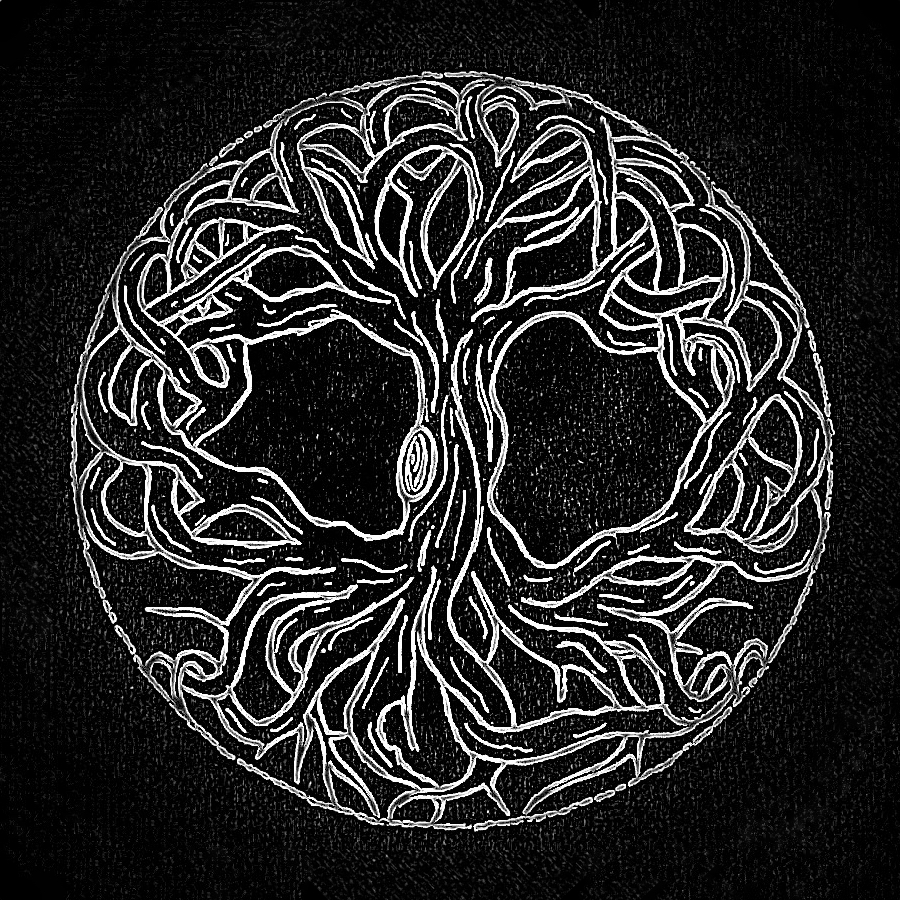 Crann Bethadh means tree of life in Old Irish. It’s an oak tree. The Celts used to plant them in the centers of their villages where they could be the axis mundi, the pillar holding everything up, the pivot around which it all turns. It’s a sacred world tree, and an older one than the one in the Old English Rune Poem, which stand right there next to it in order. In the Rune Poem, oak is the letter A, which comes right after D. In the Ogam alphabet written down in Old Irish, D is an oak. When they needed new runes for new sounds and invented the oak rune, they kept it close to its roots.
The Ogam alphabet uses bríatharogam to describe each letter name. These are two word descriptions that act as riddles or metaphors and work in a similar way to Old English kennings, which are either compound … More