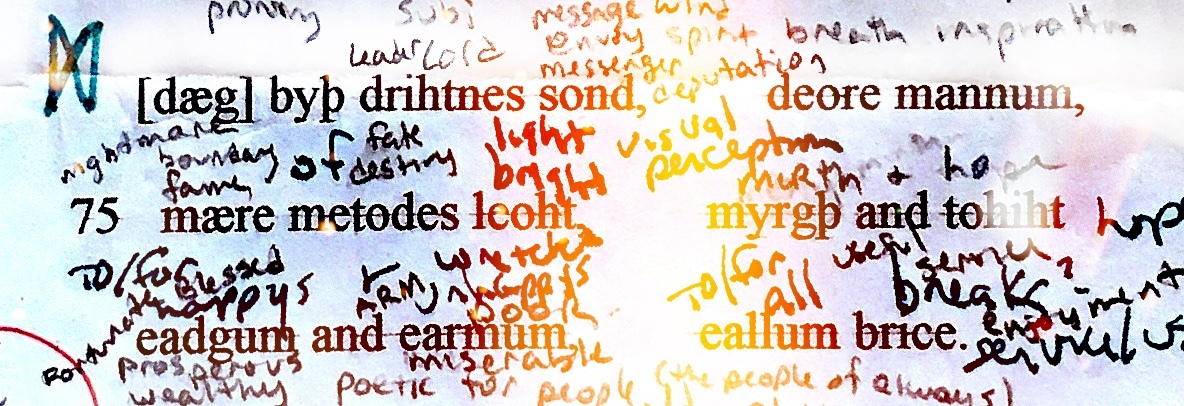
 The word drihtnes appears twice in the rune poem, here and in stanza one, feoh, wealth. It means God, but in the sense of God as a lord, God the leader, the one in charge. God has other jobs: judge, executioner, advisor, muse, physician, daycare, security, human resources, accounting, project manager. All the jobs really, God is busy. Further down the CV God is also the metodes which sometimes gets translated as measurer. Metlic is something that is measurable, a metrap is a measuring rope for a field, or a sounding line to measure depth at sea. Metod is used in poetry mostly, where it means fate, destiny, and death, especially in earliest Old English, and the Rune Poem is early. God measures out our fate. God sizes us up and calculates our destiny.
Drihtnes isn’t the only repetition going on here, we’ve seen tohiht (hope) and eadgum before. They were together in … More
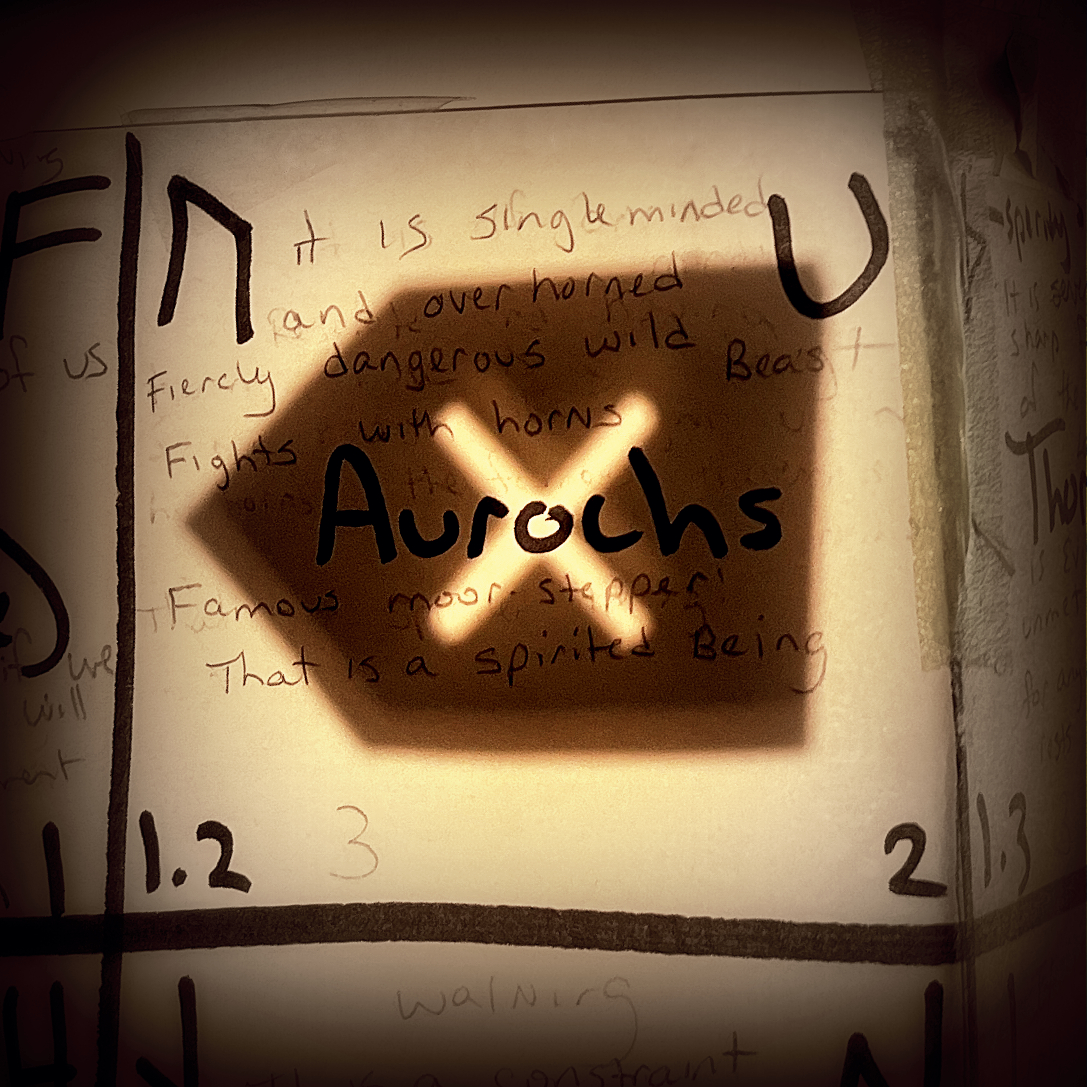
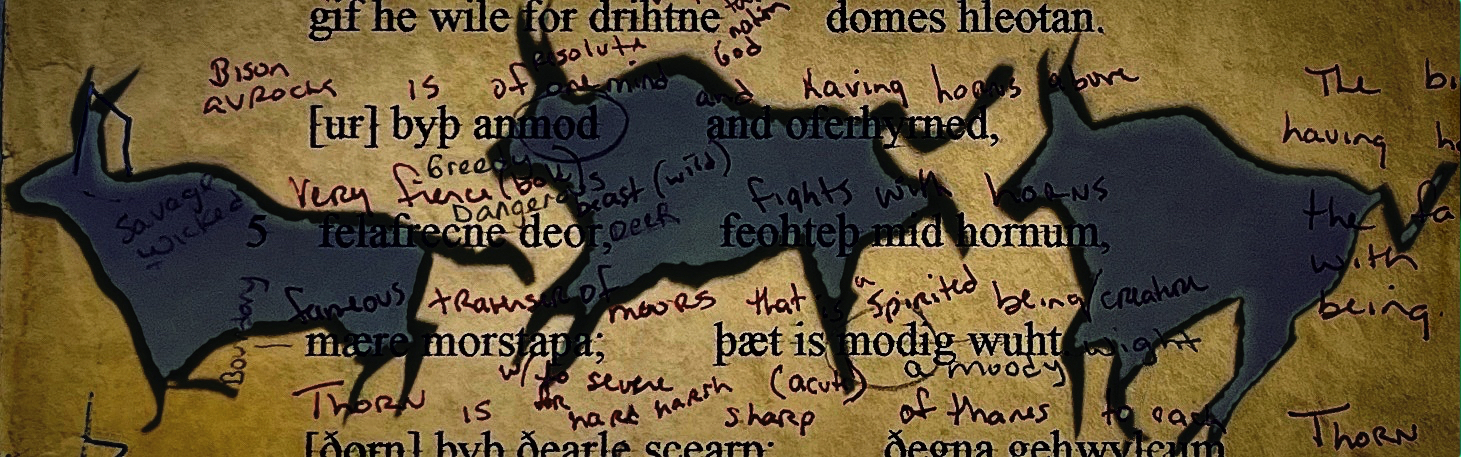 Ur, the aurochs, is a wild bovine, like a cow but not a normal cow. Dangerous. Think of the fiercest cows you know: the toro bravo they use for bull fighting, or the Jersey dairy bull which is particularly unpleasant. Gather them together,
  The rune carvers prized beaver fur and skin, their teeth made a great necklace found sometimes in the graves of women and children and once around the neck of a dog, and by church decree beaver tails counted as fish you could eat during lent. Their
 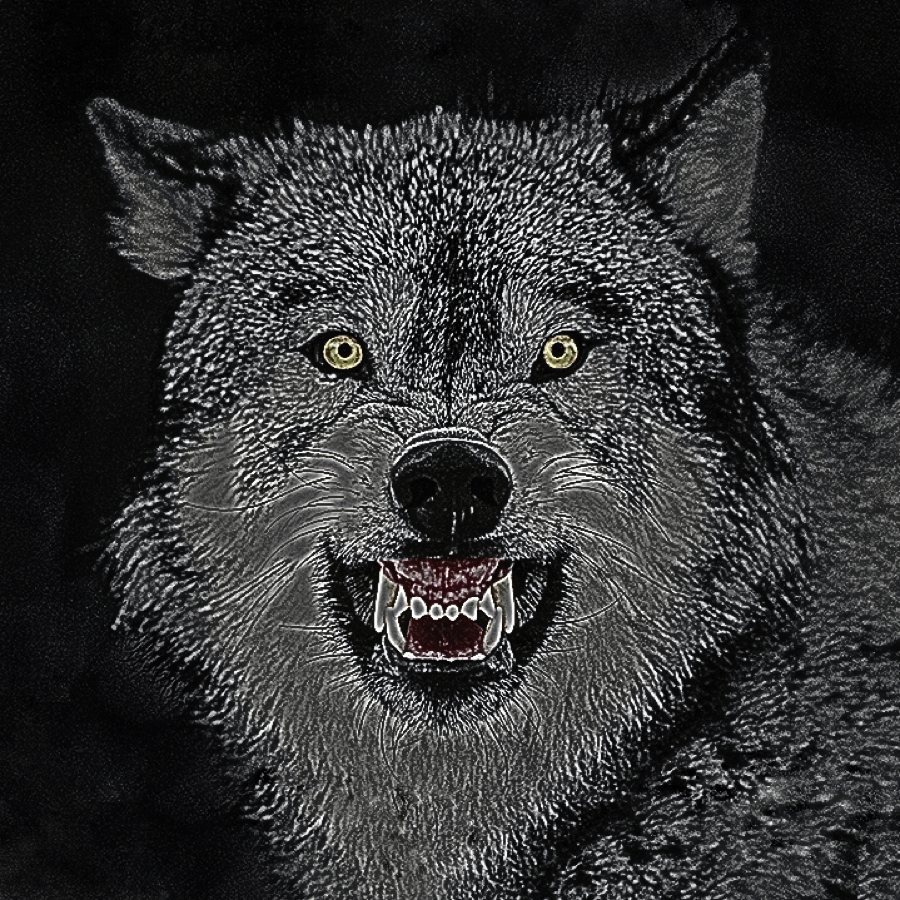 I hope you’re ready for a fight because you are about to be flattened so badly you’ll be famous for it. Something is howling in from the wilderness, sent to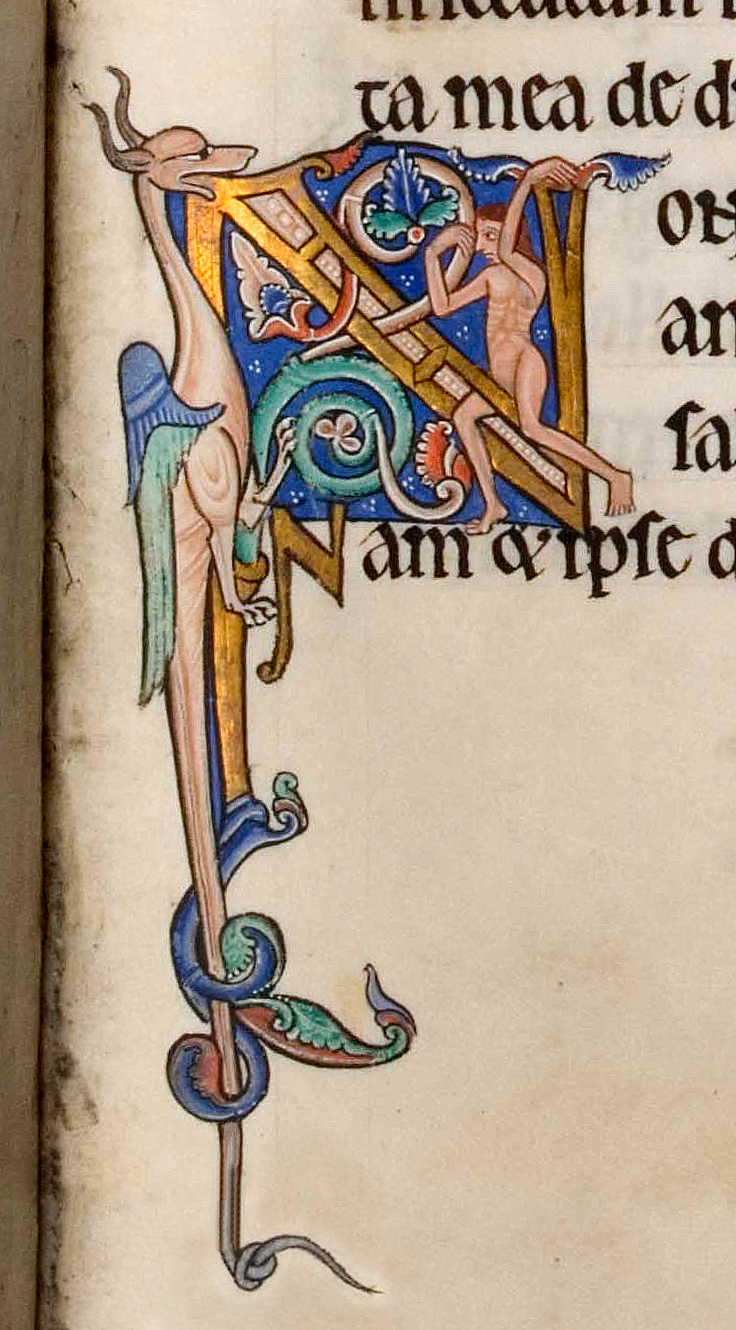
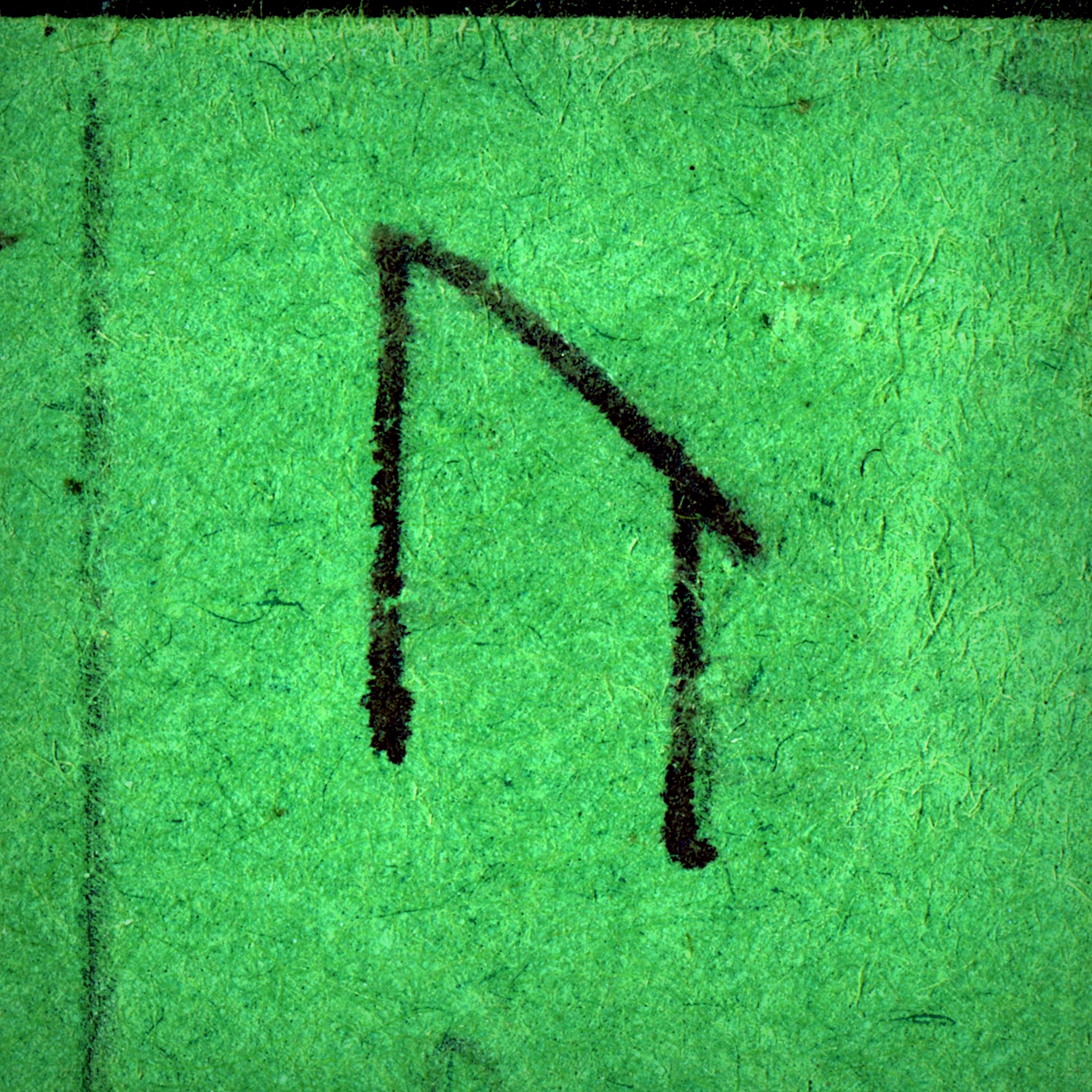 Send air through your larynx without stopping it. Let it pass freely. Let it through, some things you just have to let go. That’s a vowel. Stop the air with your throat or mouth, it’s a consonant.