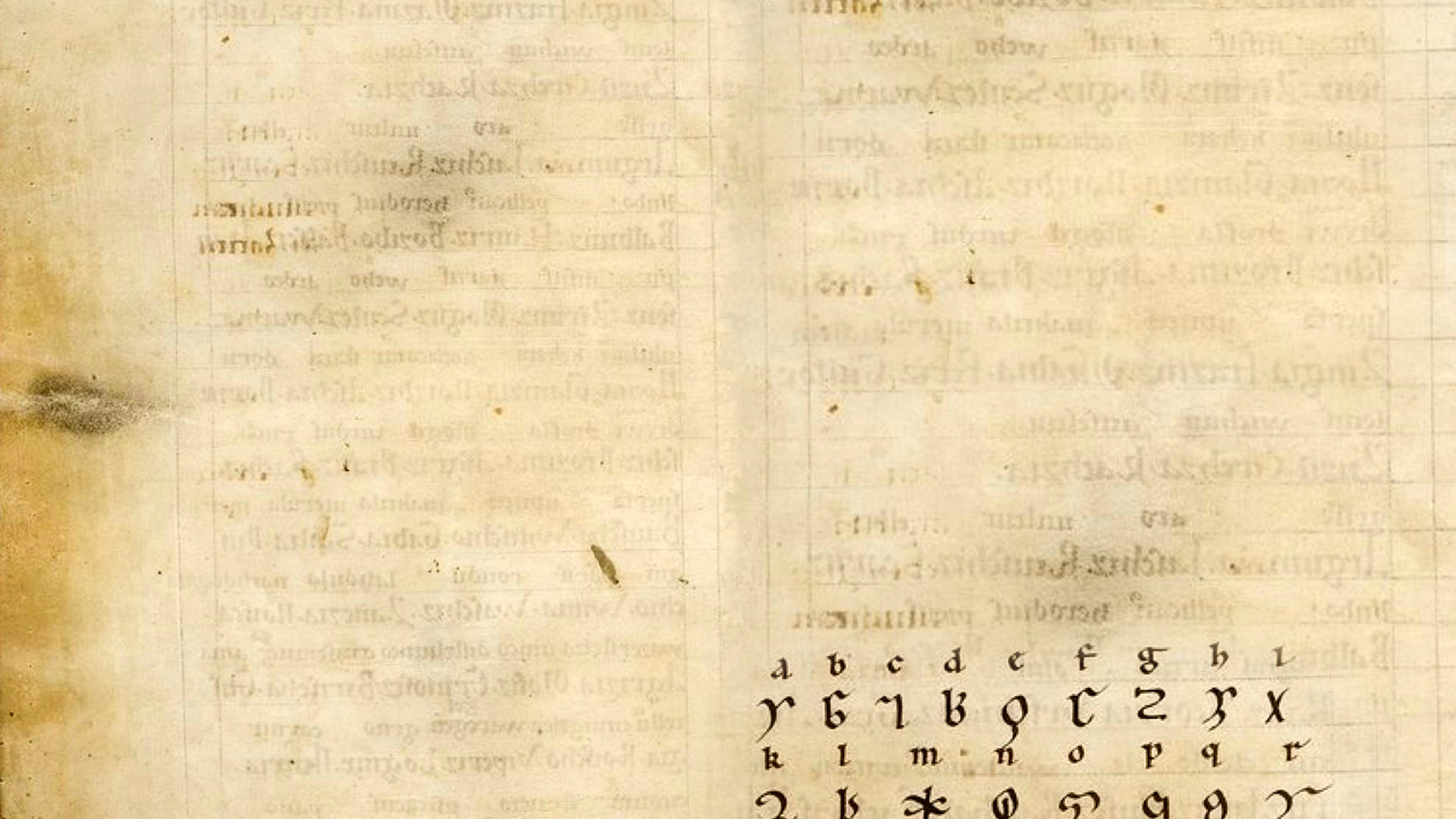
 The answer to this stanza riddle is the word eolhx, meaning unclear. We know this is the name of the rune because this word appears in the only copy we have of the Rune Poem, printed in 1705 from the only surviving manuscript copy, which burned to ashes in a fire 26 years later. Was the word eolhx included in the burnt manuscript? We’ll never know.
Eolhx appears nowhere else in Old English writing, so whatever it means, we have no clues apart from its Rune Poem stanza riddle. What is this word eolhx? There are two compound words that begin with the same letters as eolhx, eolh, we can look at them: eolhsand (amber) and eolhstede (a shelter or a temple). Sand means sand or gravel and stede is a place, a site for something, or to stand, a stand. Eolh must be something valuable; amber was … More
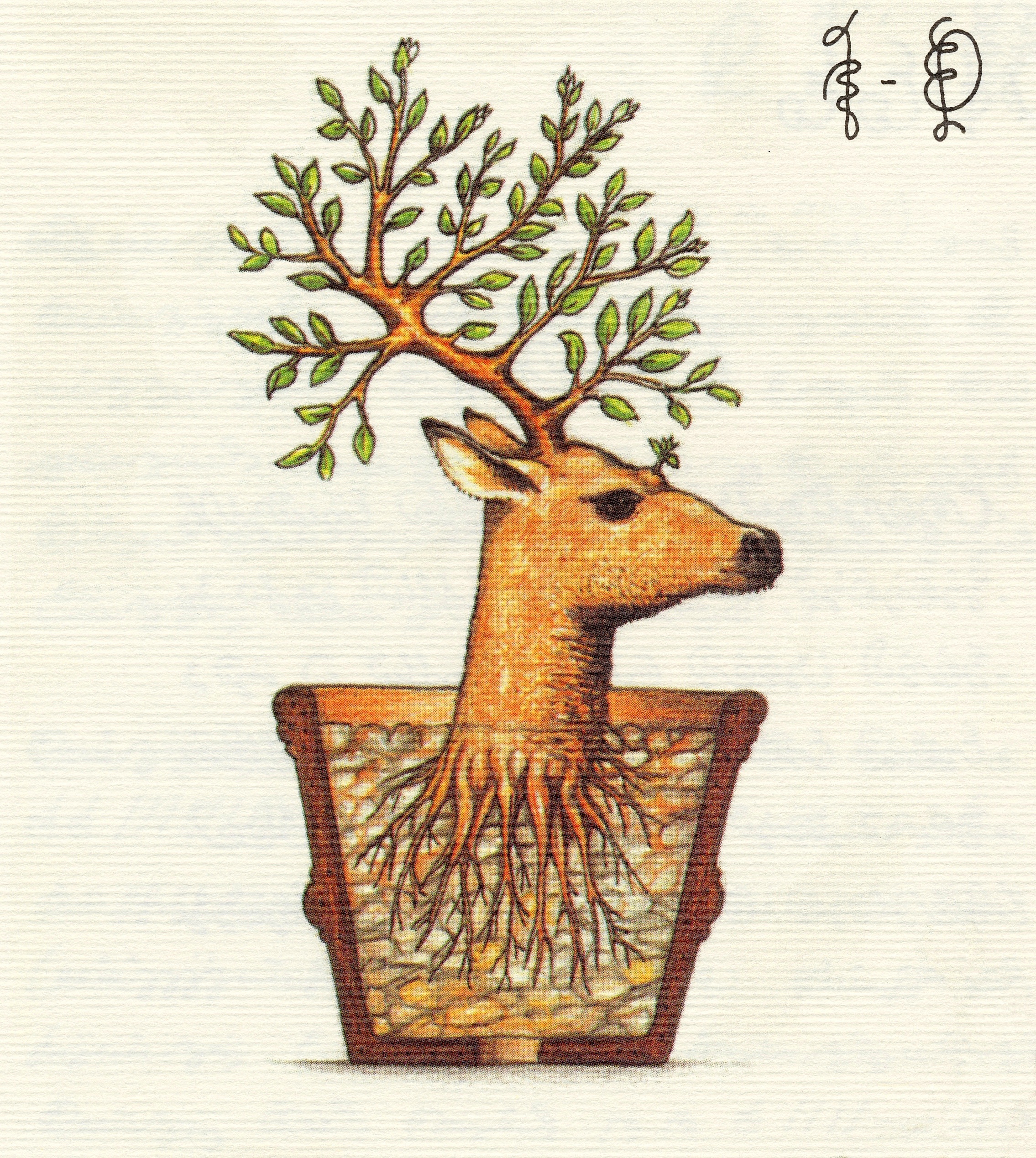
 The yew is absolutely massive compared to us, so much weight shooting up, lengthening, drooping back down to plunge into the earth, travel, shoot back up and do it again: swoop up into sky, fall back into earth, swim forward, break through waves into sky and flip back under again. This tree is a fish, moving so slowly through thousands of years in a single life span, we never see it happen. We think the yew stands still. We can trust it will always be there. God knows how the yew sees us. An irritant? An itchy parasite flaring up from time to time? We move so fast we must be itchy.
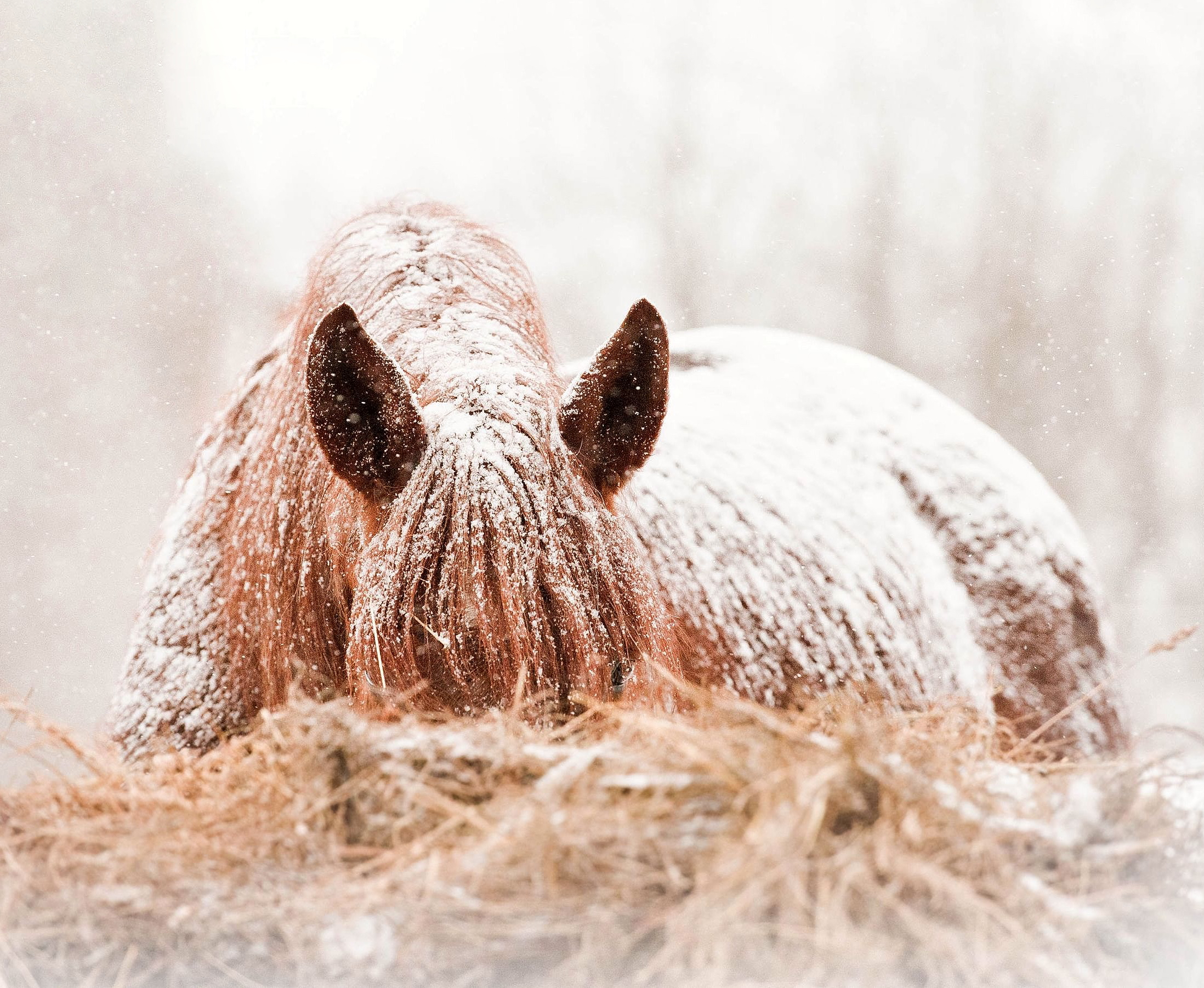 During the time of the Rune Poem, a properly kitted warrior owned a decent war horse to take to battle. These were bigger horses than the usual so they could handle a person wearing heavy armor, and they could even bite and fight with their hooves. With the right war horse, you can be unstoppable. Almost. What can stop a war horse? Ice. Ice is brutal for horse hooves. It can ball up under their feet until they are teetering on their own personal ice cubes. Have you ever fallen on ice? That’s not a soft landing. A horse can easily slip and break a leg on the frozen dips and grooves in a road, and if they fall right through a frozen lake or river good luck getting them back out. Have fun with that. A war horse, large and powerful, formidable in battle, is handily defeated by ice.
 The people of the Rune Poem were farmers and seafarers living in a wet country, and they had a much closer relationship with weather than we have. We can spend whole productive lives indoors, deep indoors, climate controlled, insulated, where rain cannot penetrate, and we might wonder sometimes is it windy outside? The Rune Poem singers did not need to go outside to find out: they felt the wind in their homes and their bones. Their houses were much more porous, and if the wind wants to send
 When you line up the Rune Poem stanzas and bend the line back on itself into a long U shape so the runes face each other, you get fourteen pairs. This pair, Ing and Wyn, the eighth, begins the middle half of the poem, moving toward
  Imagine yourself. Now imagine yourself 1500 years ago. Can you think like that? Think in Old English. There you go. Now you belong to a people who knew the
  The
The 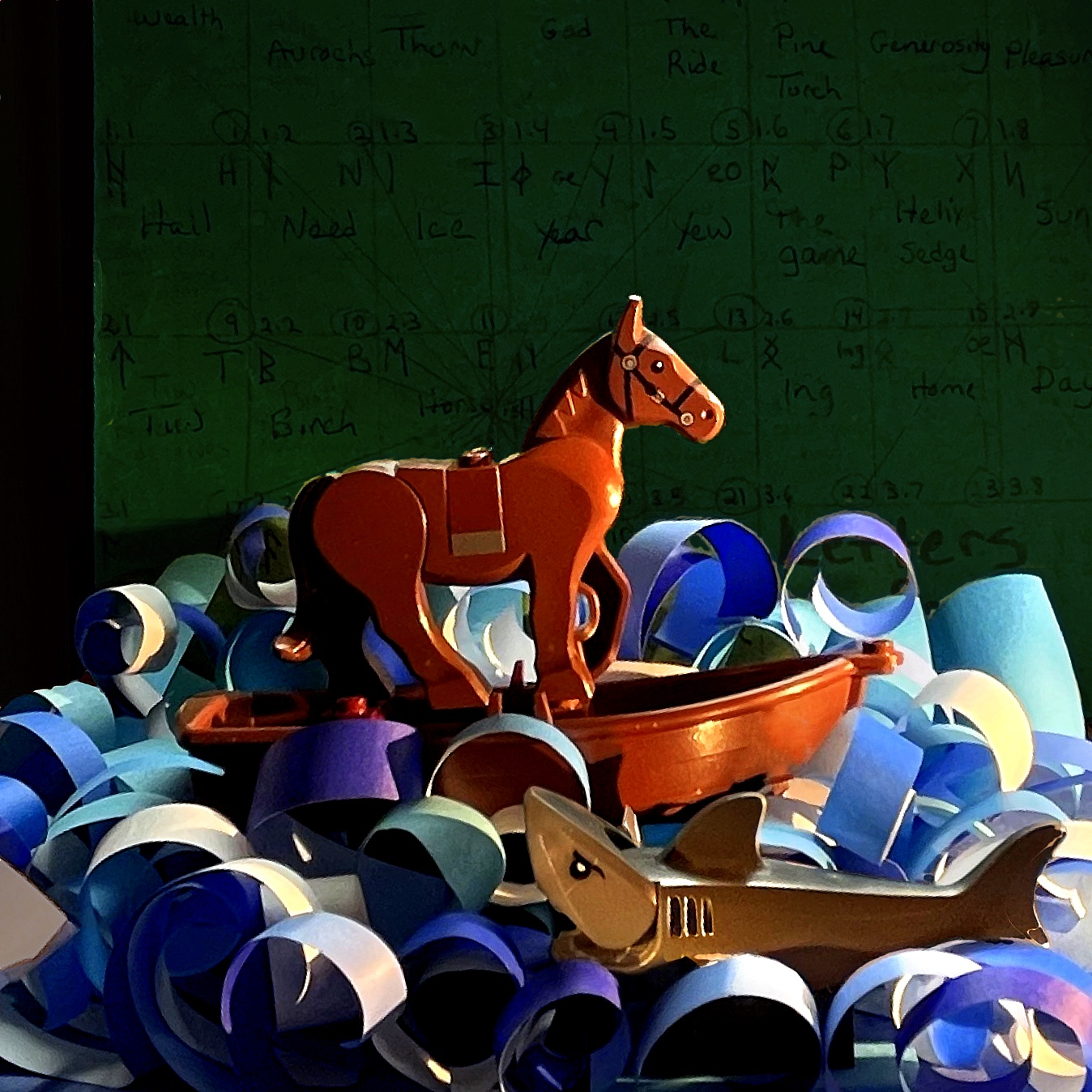 The medieval world was on the move. They traveled, all over the place and farther than you think. The Romans did it prior, they set up the whole show. They covered the lands around the entire Mediterranean with roads and sea routes, west and east of Rome, down the length of the Middle East, up the Nile, back down the Nile, all across North Africa and into Spain, all of Spain, France, across the channel and right up into Britain. This whole massive area is filled with people of infinite variety, their languages, their gods, their customs, their food, their everything, their all of it. And what are they doing? What are the people doing? They’re circulating. It’s all in motion, the whole place. Commerce and trade requires movement and the roads were busy, there’s a silk road to the east linking up to another massive trade structure, there’s ships sailing in all directions, traveling …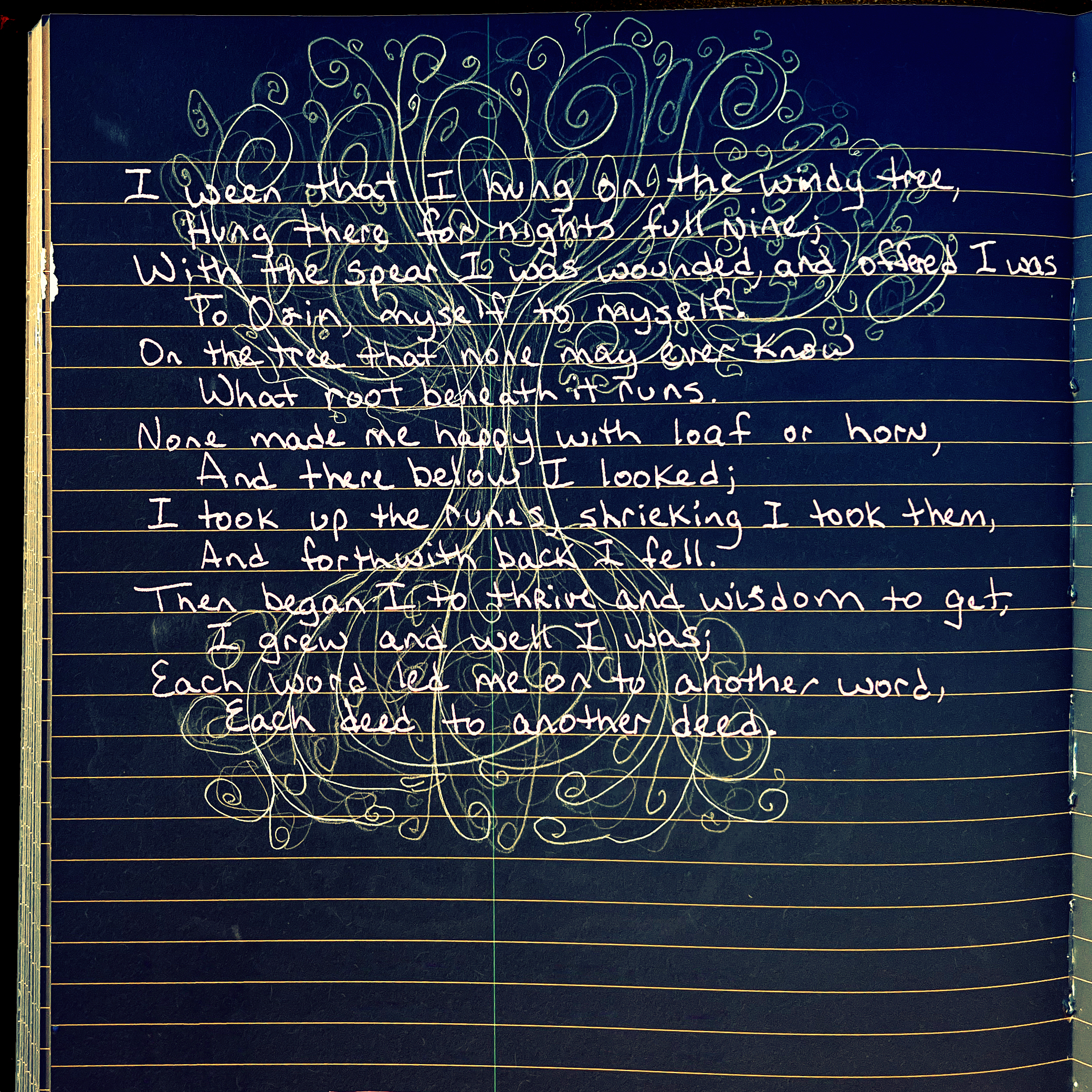
 Let’s worry about the thegns.
  The rune carvers prized beaver fur and skin, their teeth made a great necklace found sometimes in the graves of women and children and once around the neck of a dog, and by church decree beaver tails counted as fish you could eat during lent. Their
 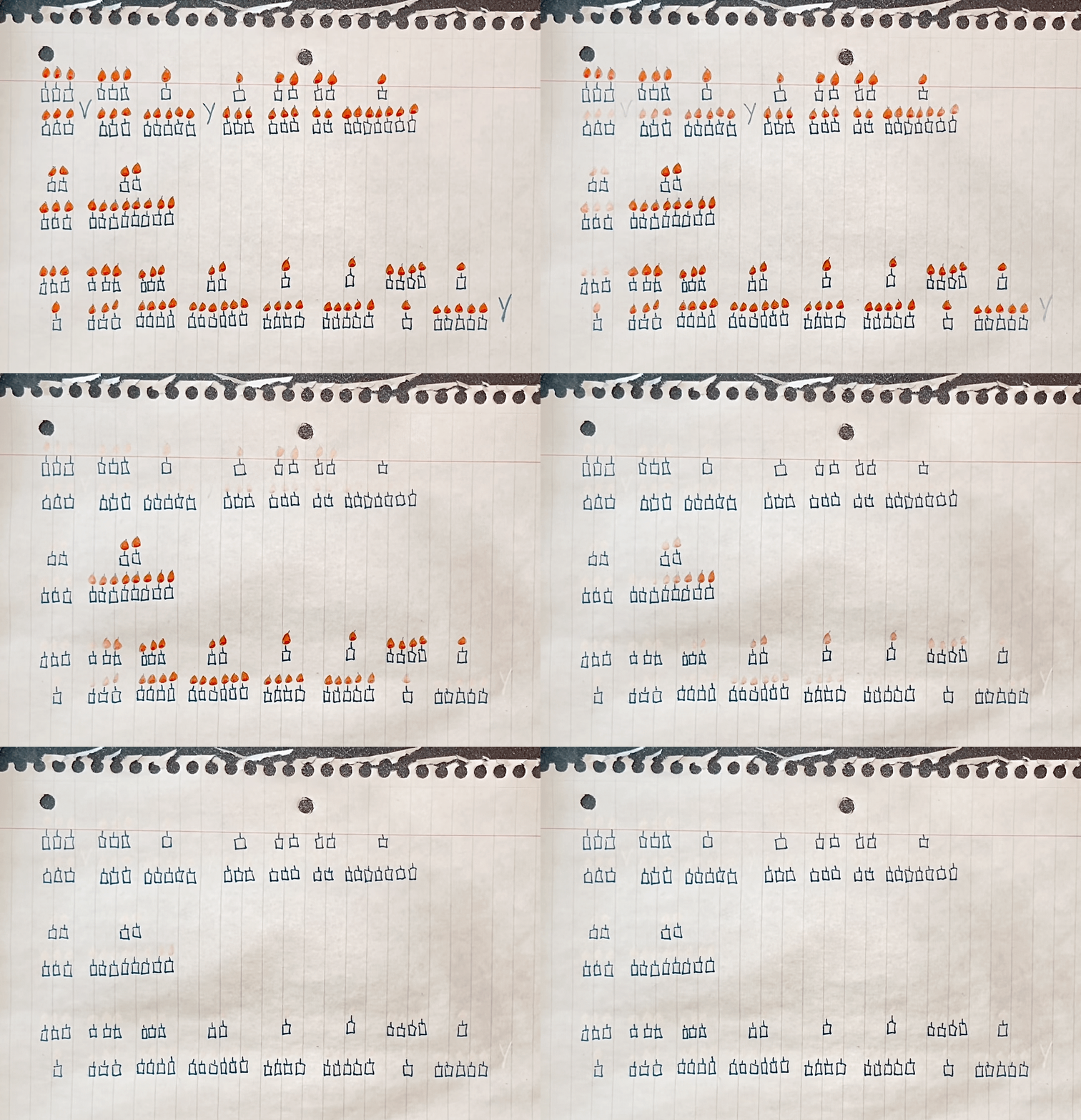 I am so terribly sorry for your loss. I’ll be thinking about you and will light a candle. Please let me know if there is anything I can do for you in your time of grief, while you are in mourning, as you move through this tragic occasion, during your bereavement, it’s so hard to know what to say. You were alive for such a short time too.