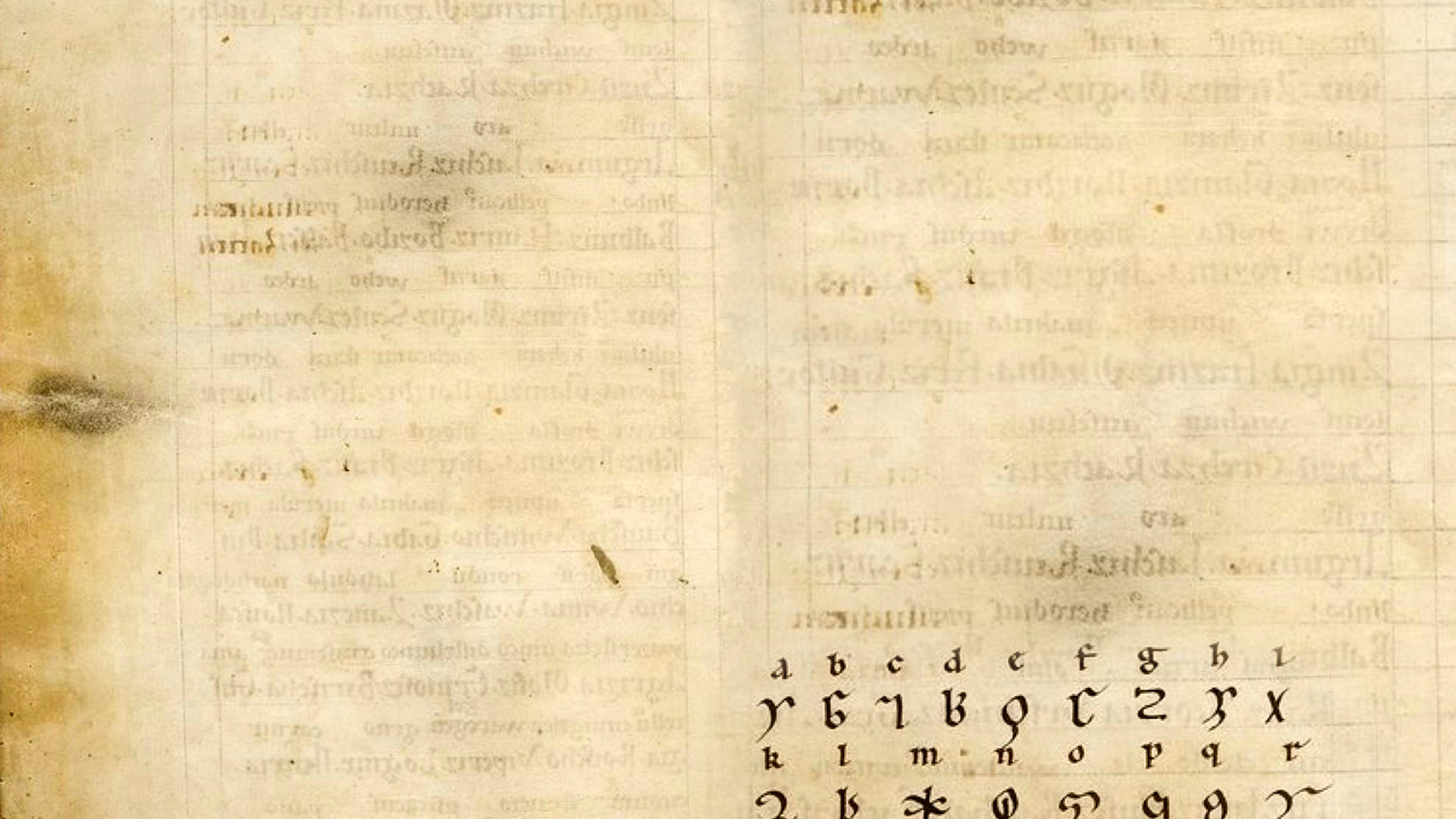
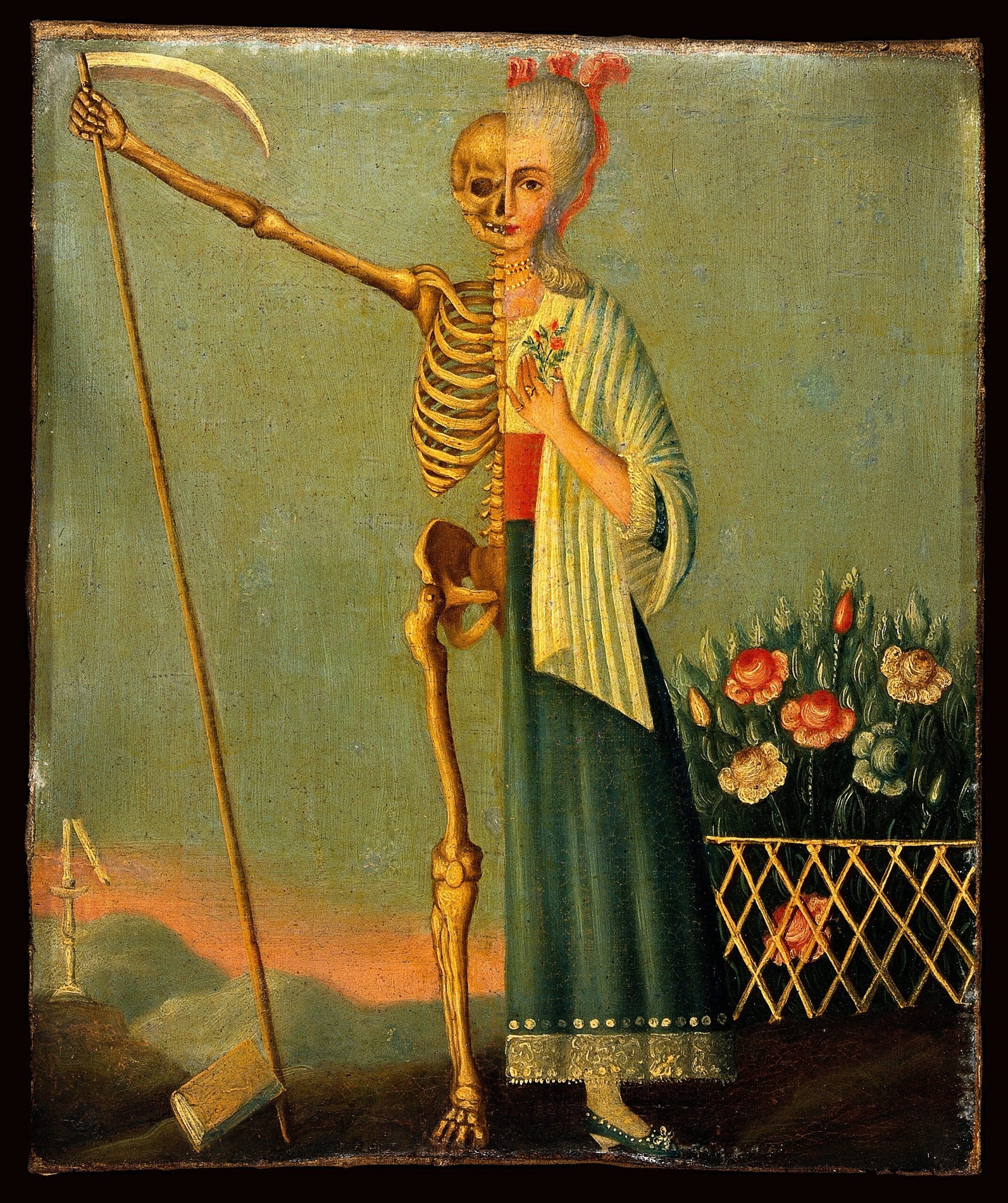
 The Rune Poem stanzas Wealth and Human have so much in common they ought to be a matched set, except they already have their own partners, The Grave, and Need. Here are Wealth and Human repeating themselves:
Wealth: Sceal ðeah manna gehwylc (though each of us must).
Human: Sceal þeah anra gehwylc (though each and every one must).
And look at how many words they share: byþ, gehwylcum/gehwylc, sceal, wile/wyle, ðeah/þeah, drihtne/dryhten, dome/domes, 7 not counting pronouns. The name of the Human rune, manna, appears in the Wealth stanza so let’s count that one too: 8 words in common is a large number, especially when you consider that the Wealth stanza has only 18 words and the Human stanza has 23 if you include ꝥ, which isn’t a whole word but a grammalogue for the … More
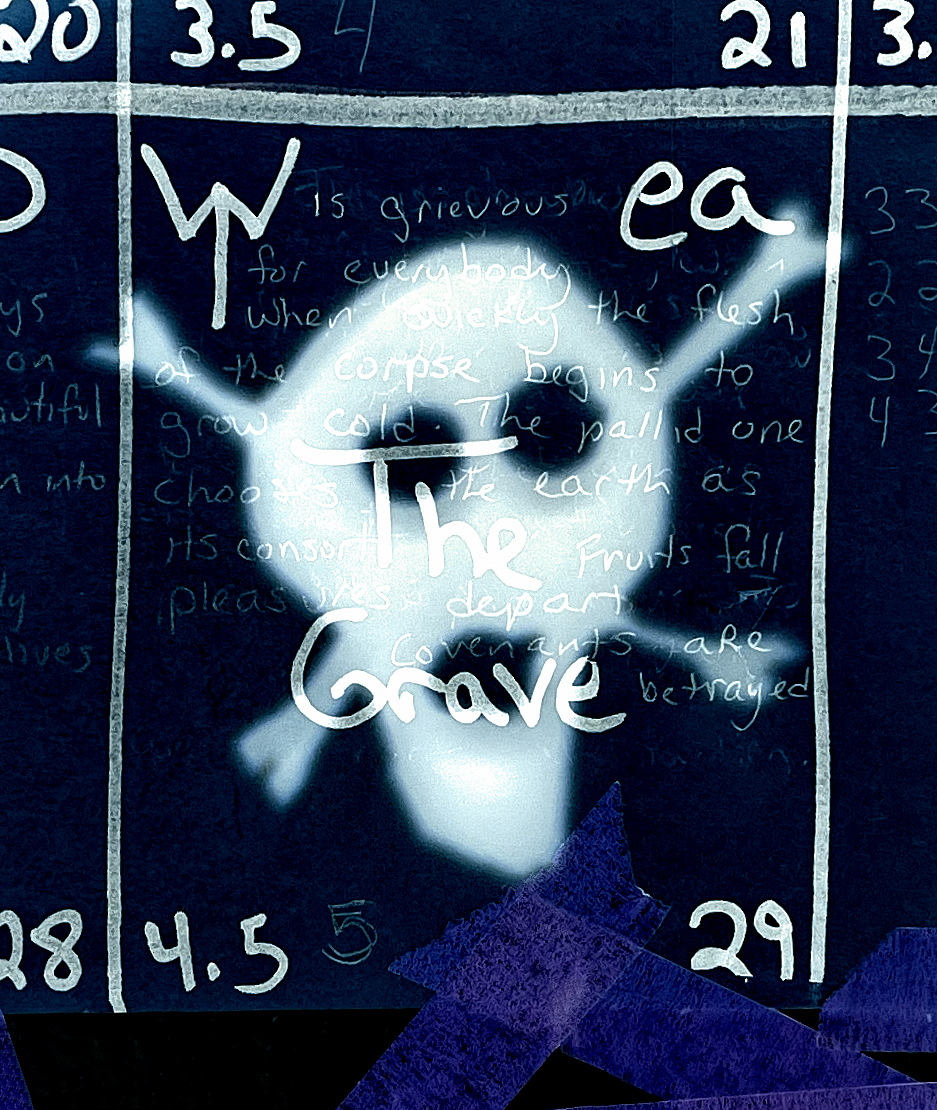
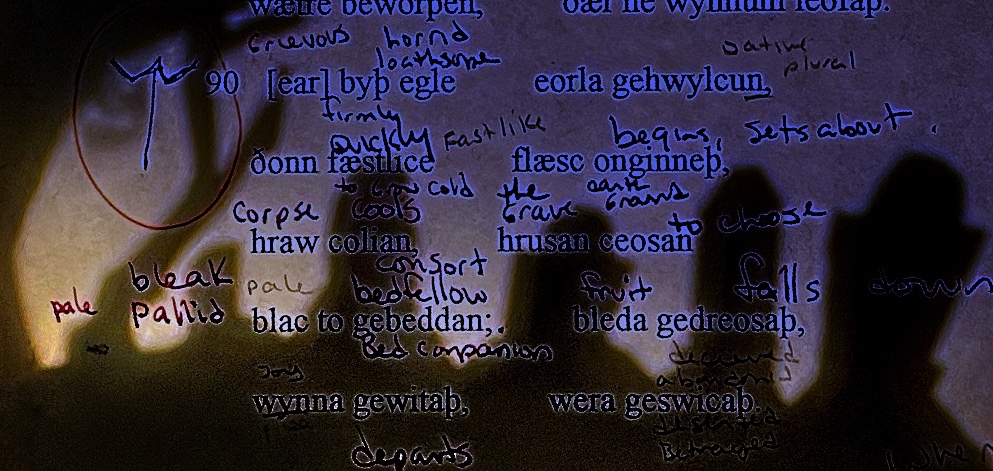 Old English uses very few words at a time, but in all the minimalism there’s a massive amount of meaning: often multiple meanings of the same word are intended, black is sometimes white, and frequently there’s a pun in there somewhere. To translate Old English we need to use more words than the original, and still it’s difficult to pack all that meaning back in. Translation fills graveyards of context and nuance, left behind to grow cold. What is lost by gaining? What do we kill dead? Alliteration and meter, the music makers of language. The beat, deceased, sounds abandoned. Look at this:
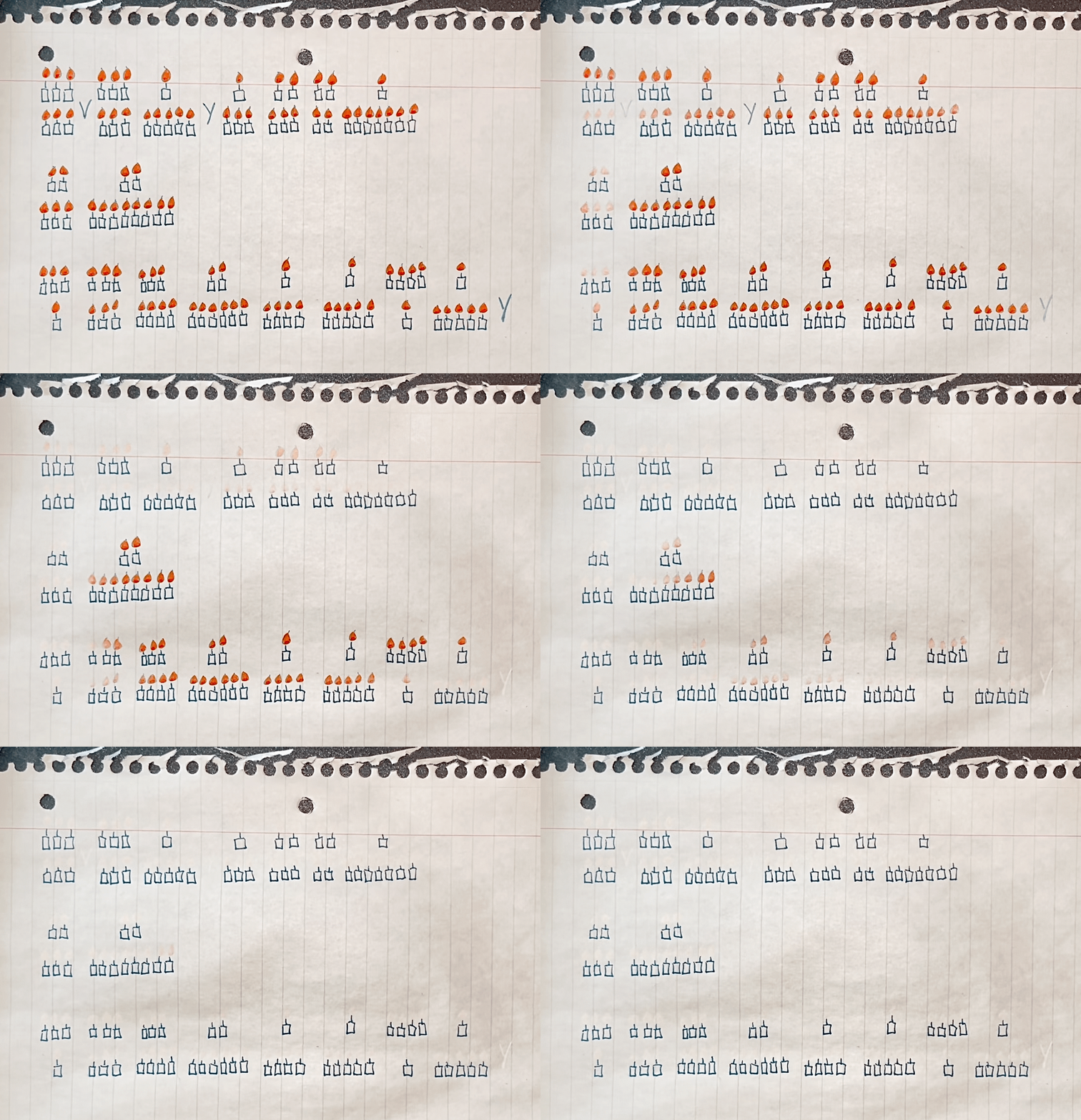 I am so terribly sorry for your loss. I’ll be thinking about you and will light a candle. Please let me know if there is anything I can do for you in your time of grief, while you are in mourning, as you move through this tragic occasion, during your bereavement, it’s so hard to know what to say. You were alive for such a short time too.
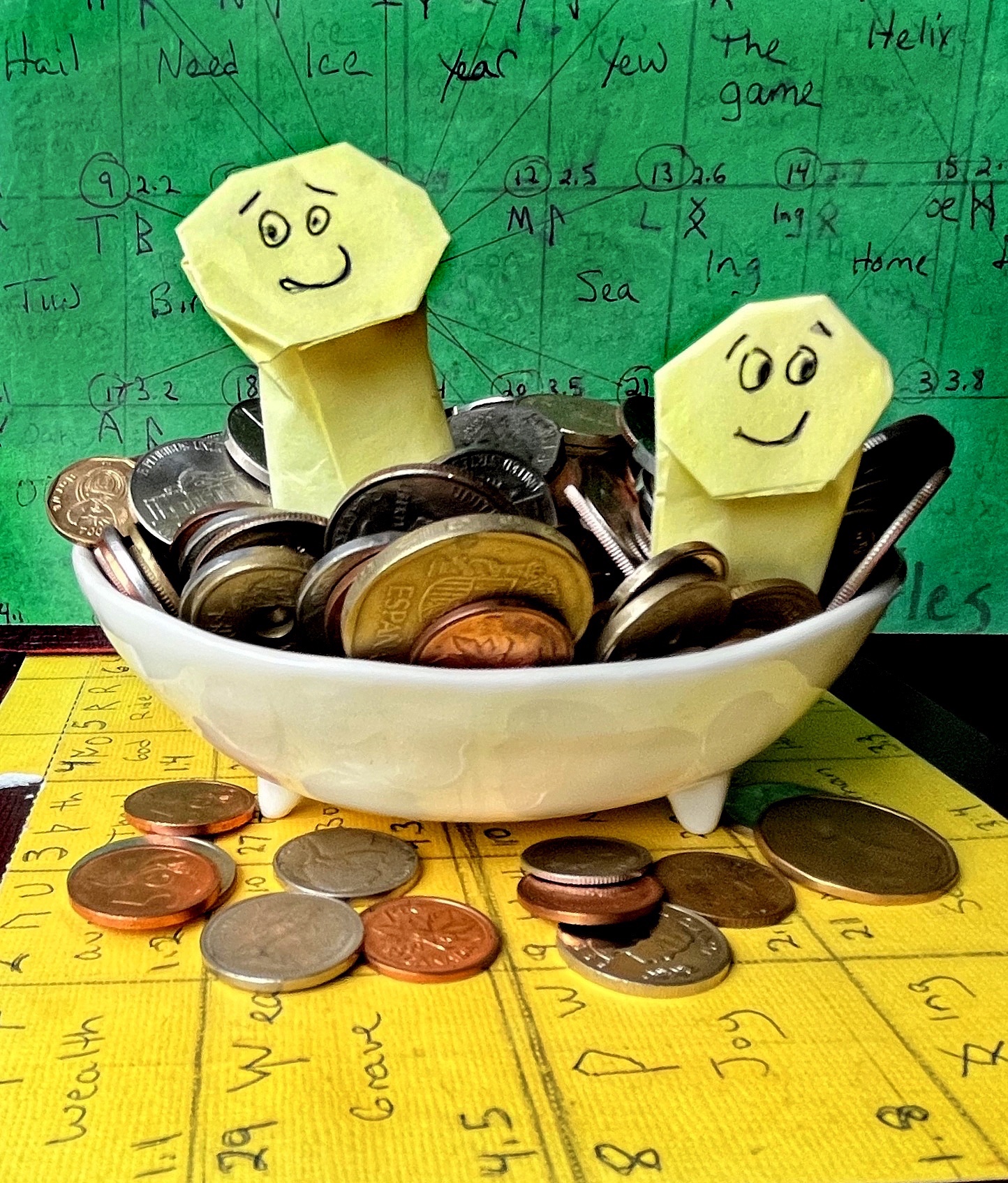 Y: This is our future?
  Tell me your future. Tell me, what do you hope will happen before you’re dead? And what is it you are afraid of? Never mind. Doesn’t matter what. The future is not in the what, it’s in the hope and the fear that you hold now, in the present. Whatever it is coming to you, or coming for you, is happening now. In here. In your mind. There is no other future. Well, there is the one thing that is going to happen, Ear says it for sure. It’s coming to you and it’s coming for you. You’ve got it coming. You’ll
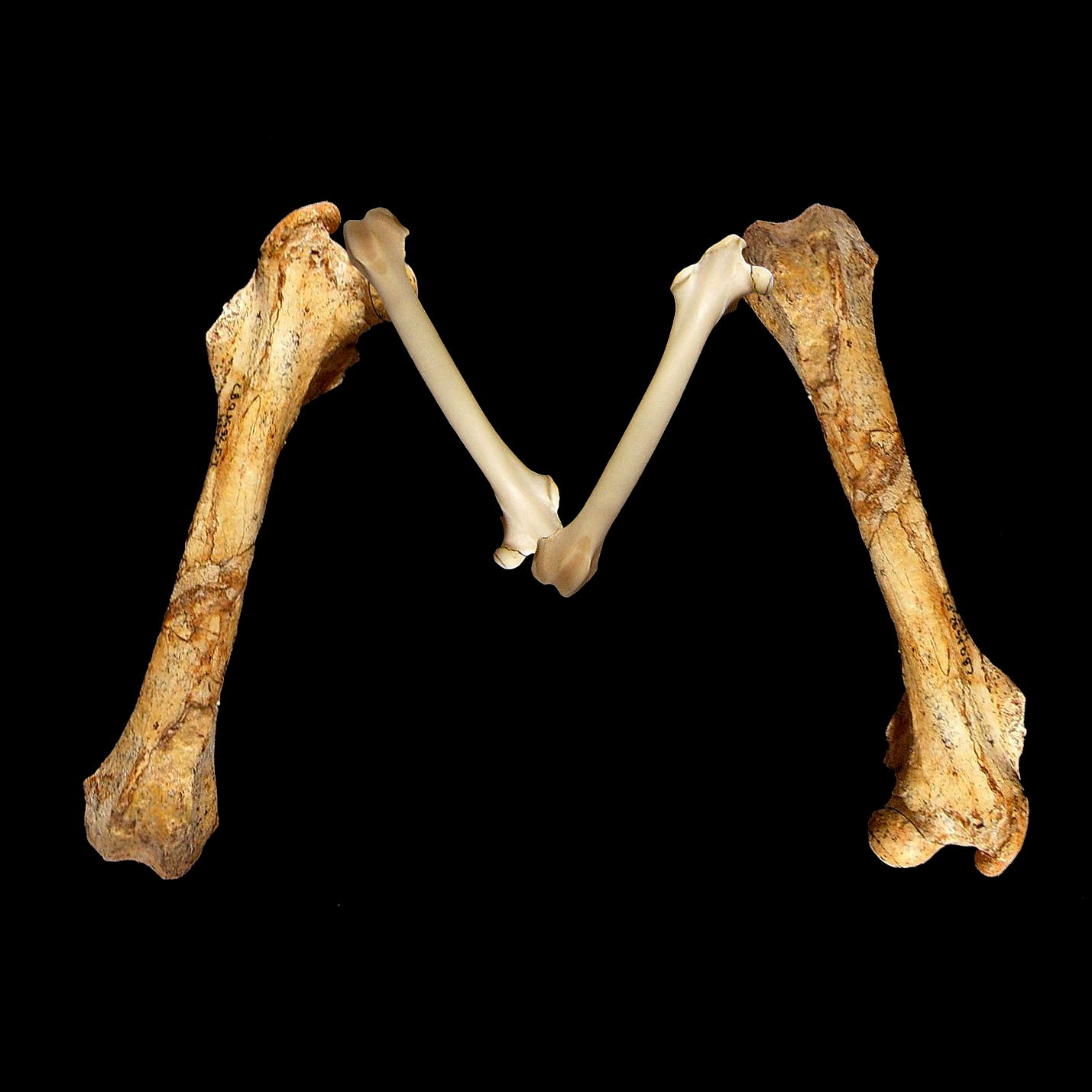
 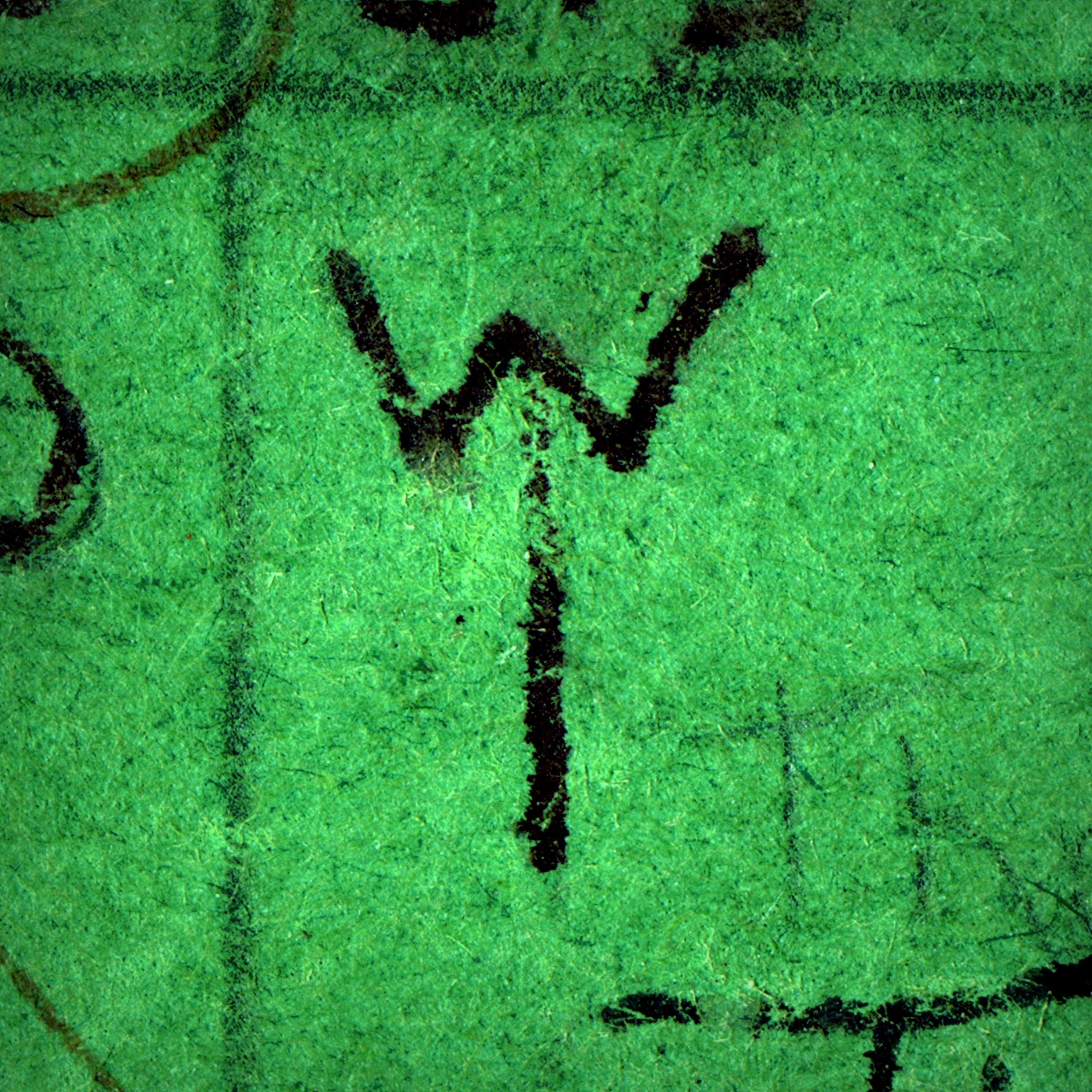 EA. Diphthong: a compound vowel. This one is deceased, we don’t use it any more. What did EA sound like? Maybe like EO, maybe like AU, emphasis on the E or the A because all Old English