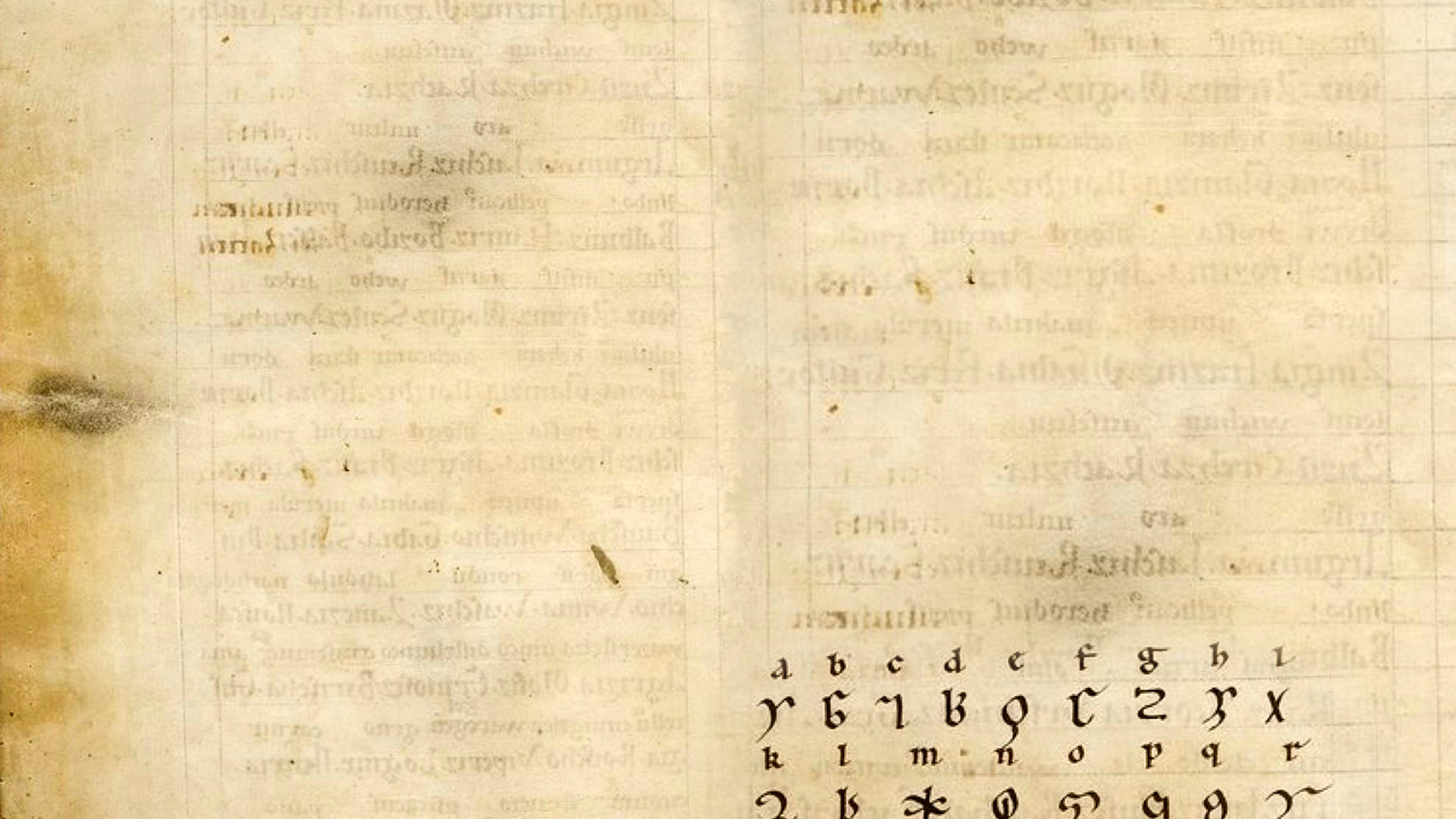
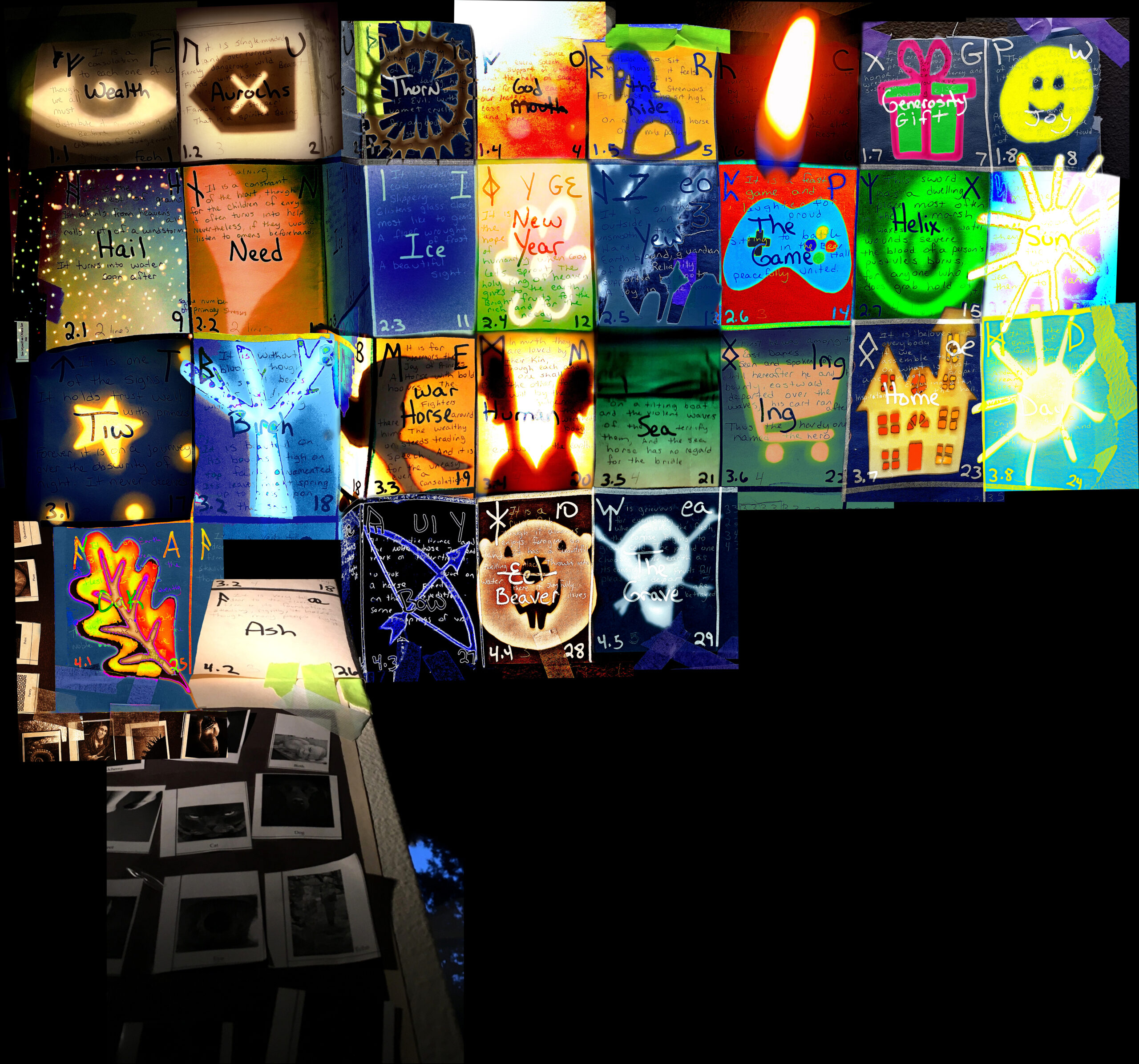
If you have just found this Alphabet Book, this is not the beginning, this is the middle. You are in the middle. One might say you have no choice in this, none of us do, the middle is all we have between past and future, it is our only contact with reality. If you must have beginnings and endings, and some of us insist on on such things, well, find them in the middle, find them right here in the now, the only now we have, where every forward motion recapitulates a past one, spiral like and self similar. The Old English Rune Poem knows this well. Look at the material: magical letters, powerful, speaking auguries of the future from the lips of the gods, curing and protecting whatever they are carved into, evoking magic wherever they go. You can’t just line this stuff up in any old order. There’s an arrangement to … More
 The rune carvers thought in pairs. They had a whole pronoun classification for the two that are also one, so it is no surprise to find pairs in the Rune Poem, matched thematically: the end to the beginning, then the next two, reflecting each other in pairs
  Old English poetry was performed,
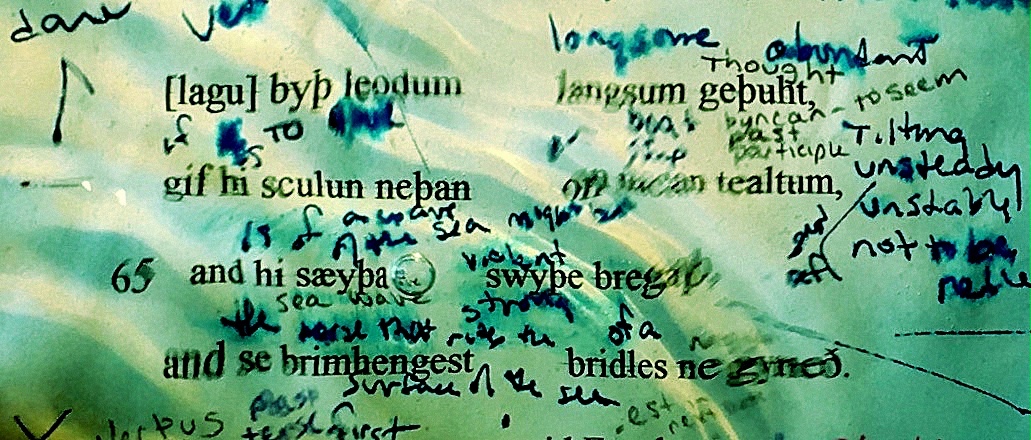 Waterways were busy places during the time of the Rune Poem, making for convenient connections between coastal settlements and with ports of trade farther afield. However, things become a lot less easy when
 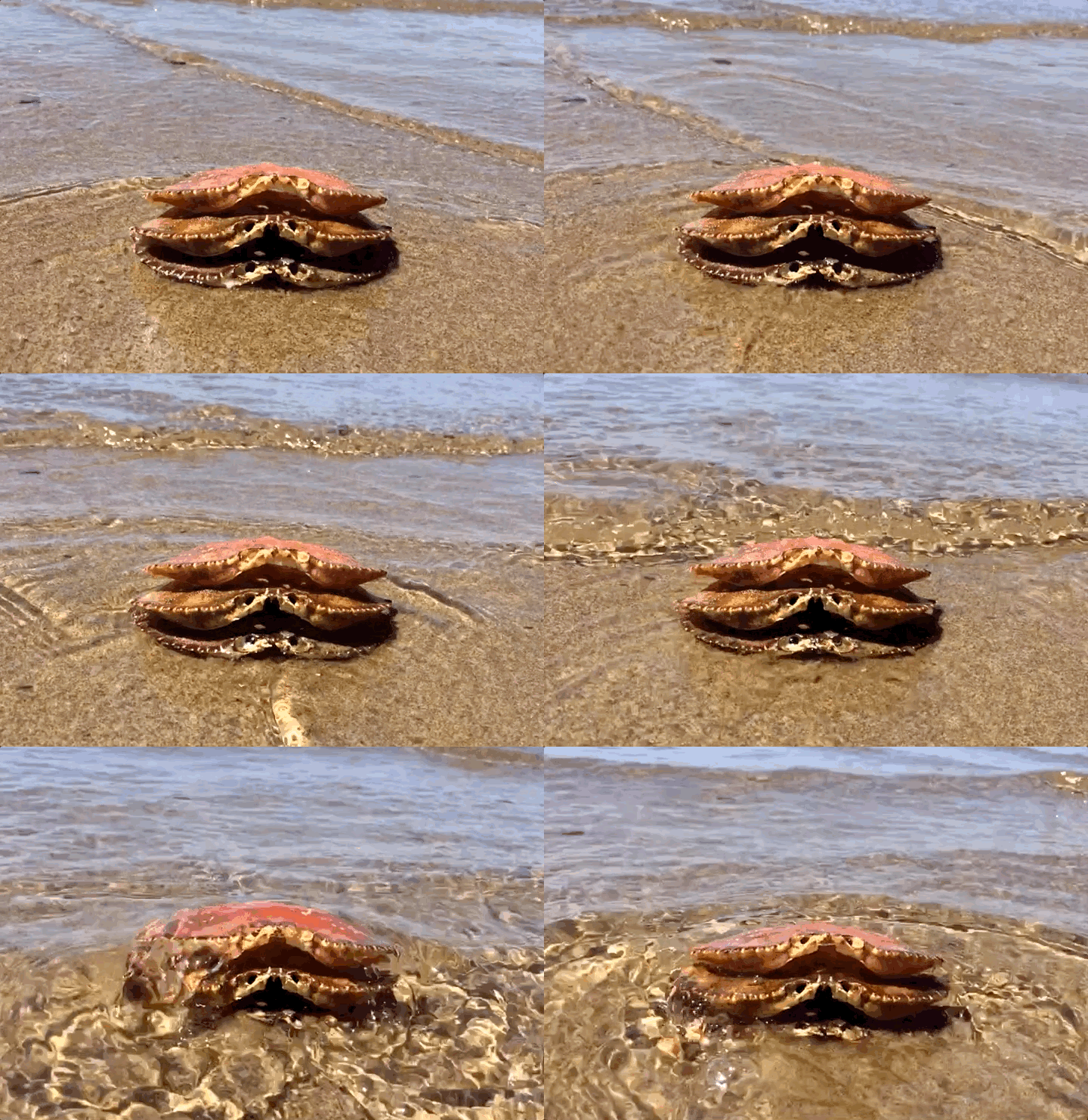 Y: Here come the water works.
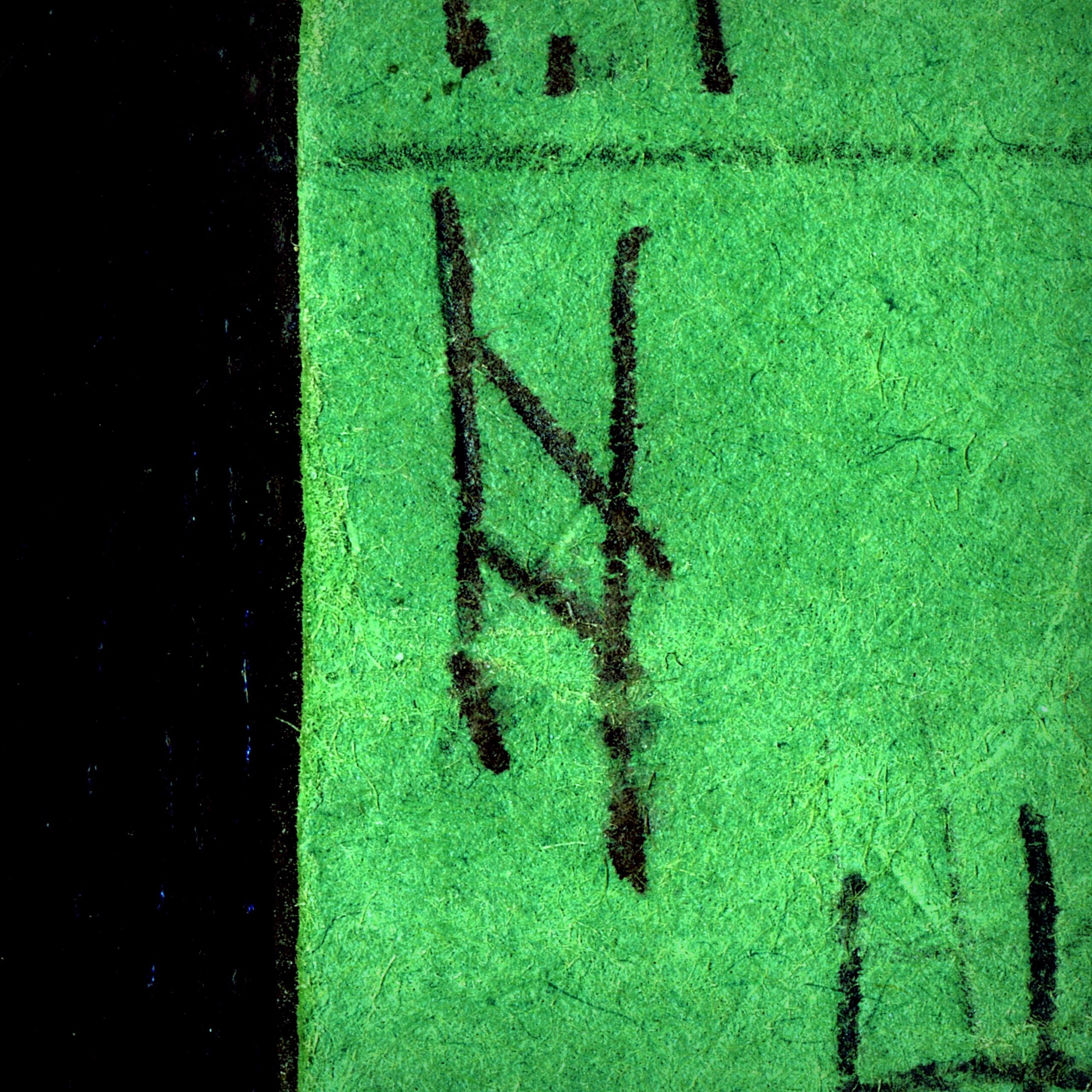 Voiceless spirant. Make a narrow aperture of your mouth and throat, leave your vocal cords aside, and force air through. Create friction, steam up the mirror. Huh. Hah.
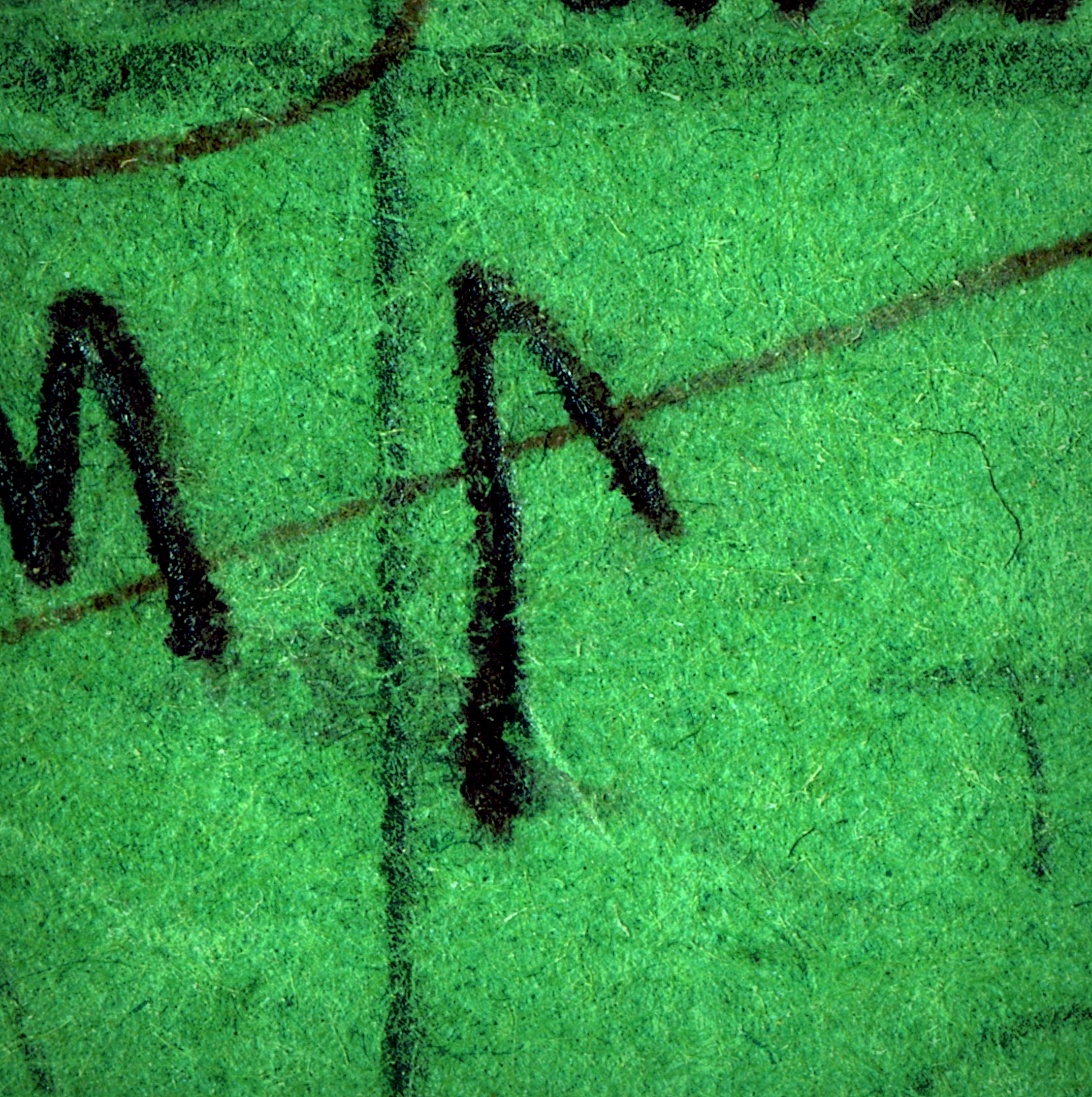 Alveolar dental sonorant: using your gum ridge and teeth, leave your tongue free laterally, partially impeding your vocal resonance: now sing. Lalalalalalalahhhhh! Largo! Lalalaaaaaaaaah! Now lento. La. La. La. Lovely. A sound so popular it has remained unchanged all this time.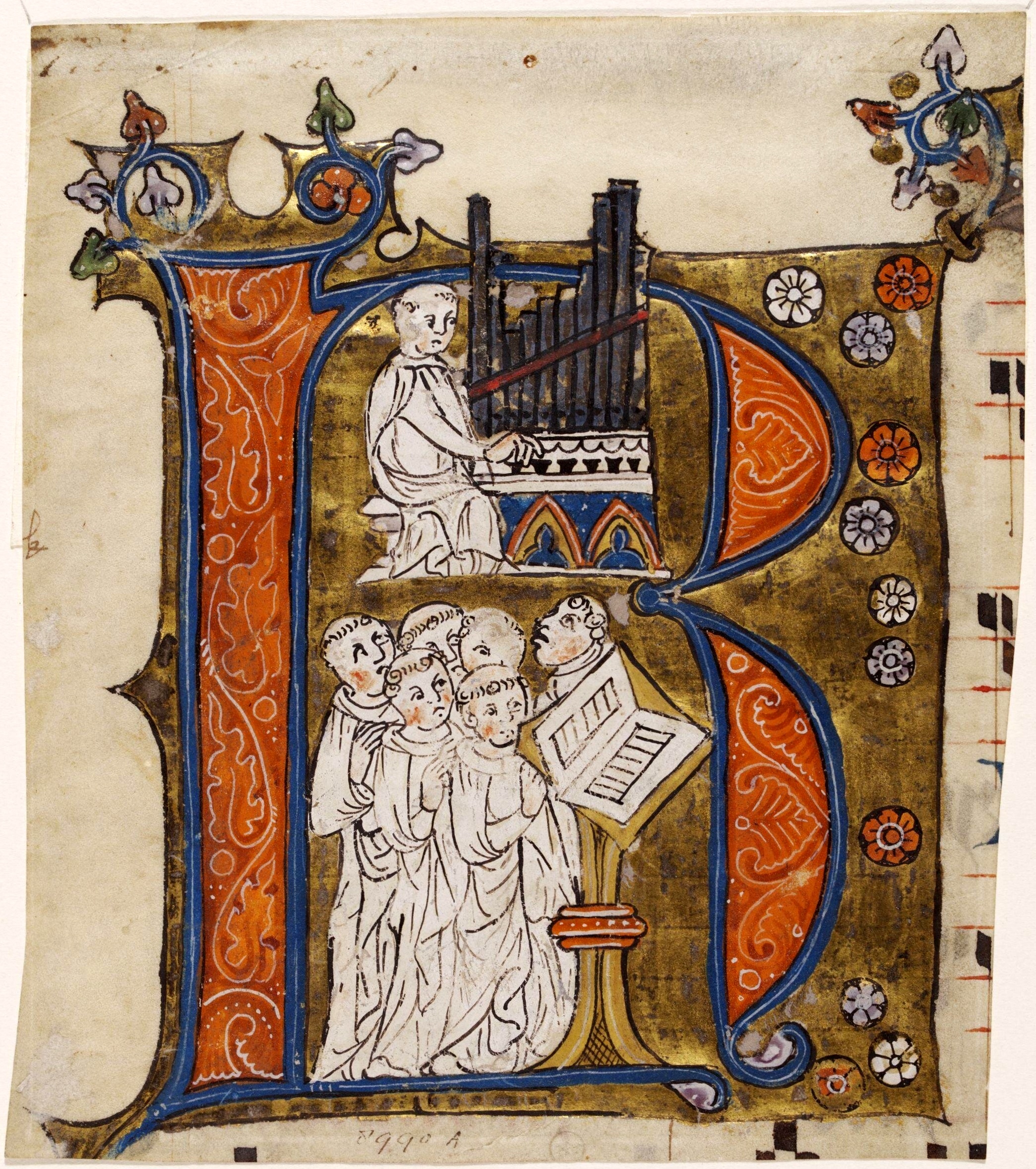
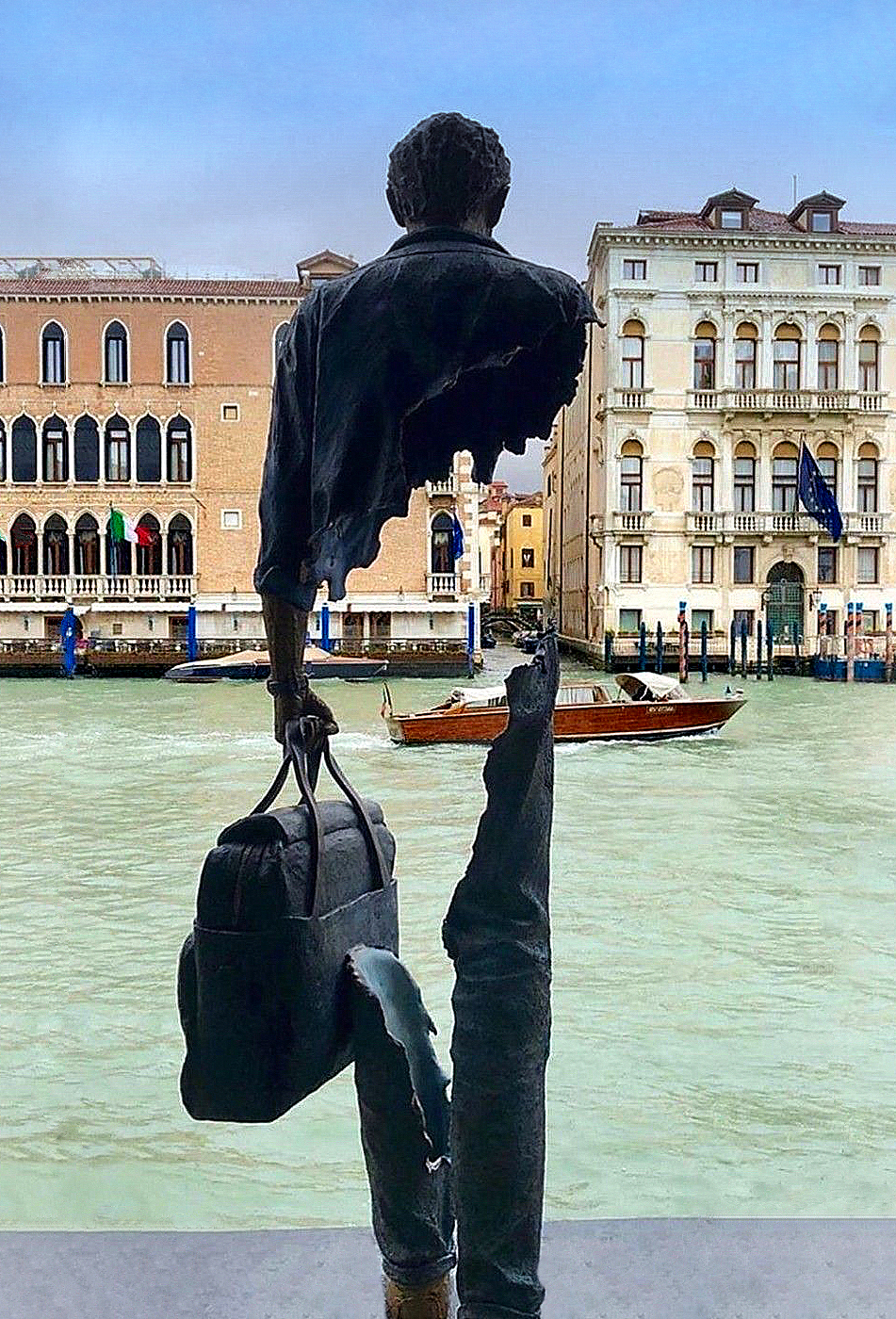 It’s time to go. It is past time. If you need to get out of here yesterday you’d better do it with an eye on the future, that knife blade of a now you balance on will cut and run, so plan fast.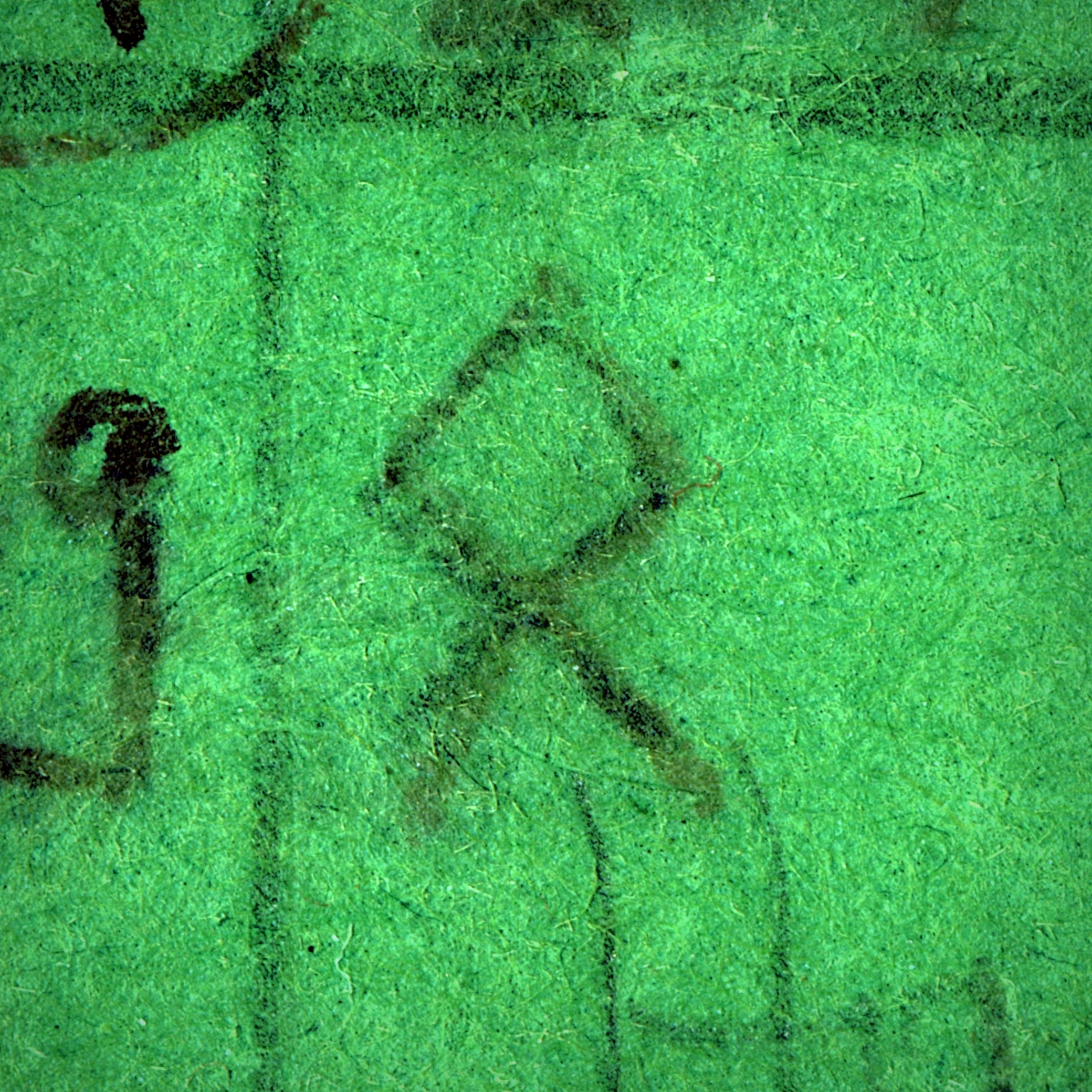
 The
The 
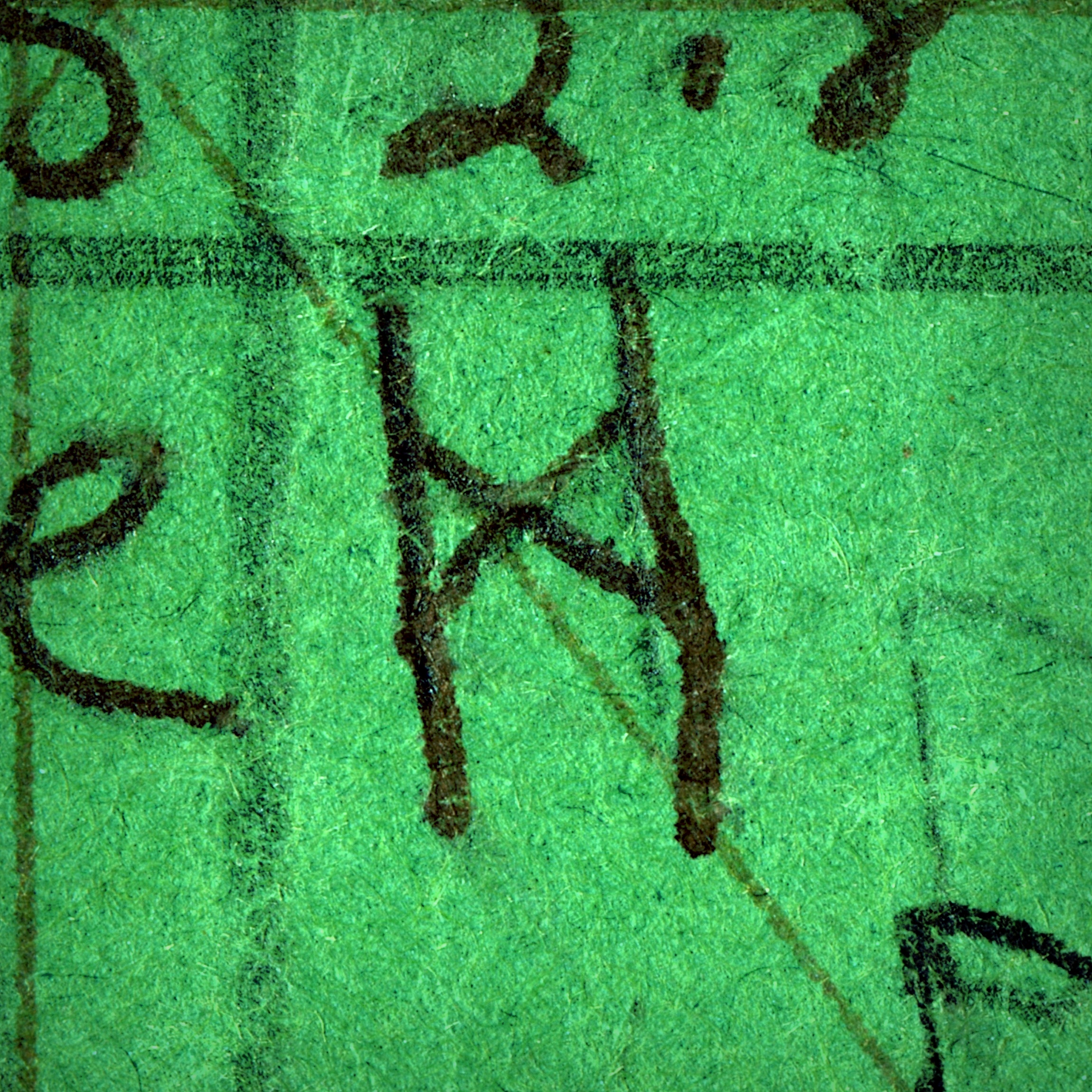 D. Voiced alveolar dental stop. You use your voice and soft palate to make the sound, make your breath stop against your teeth. Leave your larynx out of it and you

 Did you know that tree means truth? Well it does, honestly, let me be the first to tell you so you know it’s true. The Old English word treow means both tree and truth. Lots of Old English words use treow in them to mean things like to trust or believe (treowan), or to be faithful (treowfæst, truth-fast). Treow is used for more woody things too, like when you take your treowfæstnian (trusty) ax to the treowsteall (a grove) to work as a treowwyrtha (carpenter) treowfeging (joining boards together) into a treowgeweroc (tree work, something made of wood). In that treow grove you’ll find forest birds (treowfugol) and faithful friends (treowgeðofta) who’ll go in for a little tree worship (treowweroðung) with you and with whom you might find treowlufu (true love). Watch out for the treowles and treowleasnes.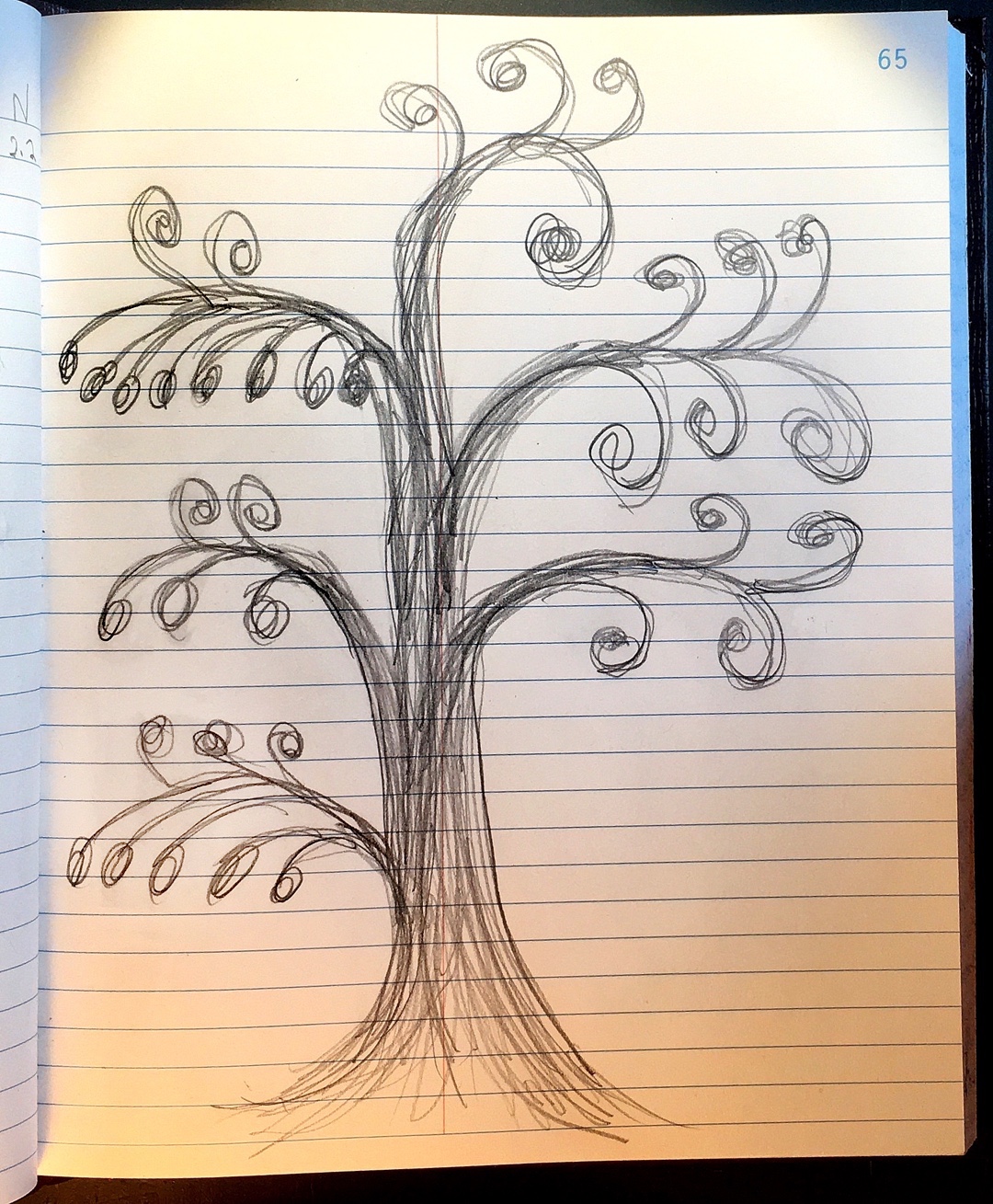
 A is for always and be is become.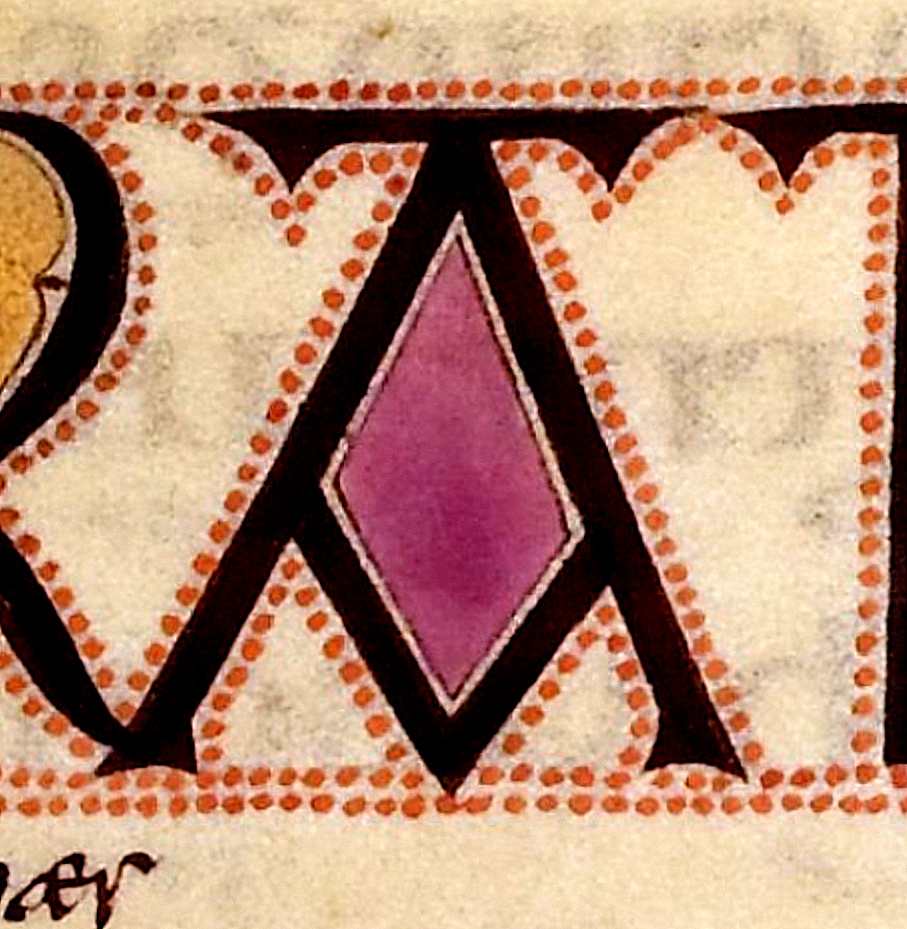
 First, you must find a reason not to live. There exists uncountable reasons but you must choose at least one and try to make it as ineffable as possible so the people you leave behind may feel suitably at a loss for words when they find you. An added benefit: it will be easier for the people who attend your wake, interment, scattering of the ashes, memorial service, whatever it is it will be none of your business, to speak in hushed and reverent tones if they find themselves capable of speaking at all. Amongst the reasons not to live you might choose: you are suffering from progressive melancholia; by ceasing to exist you will bring your existence to the attention of the person who barely knows you exist, though you maintain a unique awareness of said person’s existence; pondering the great
 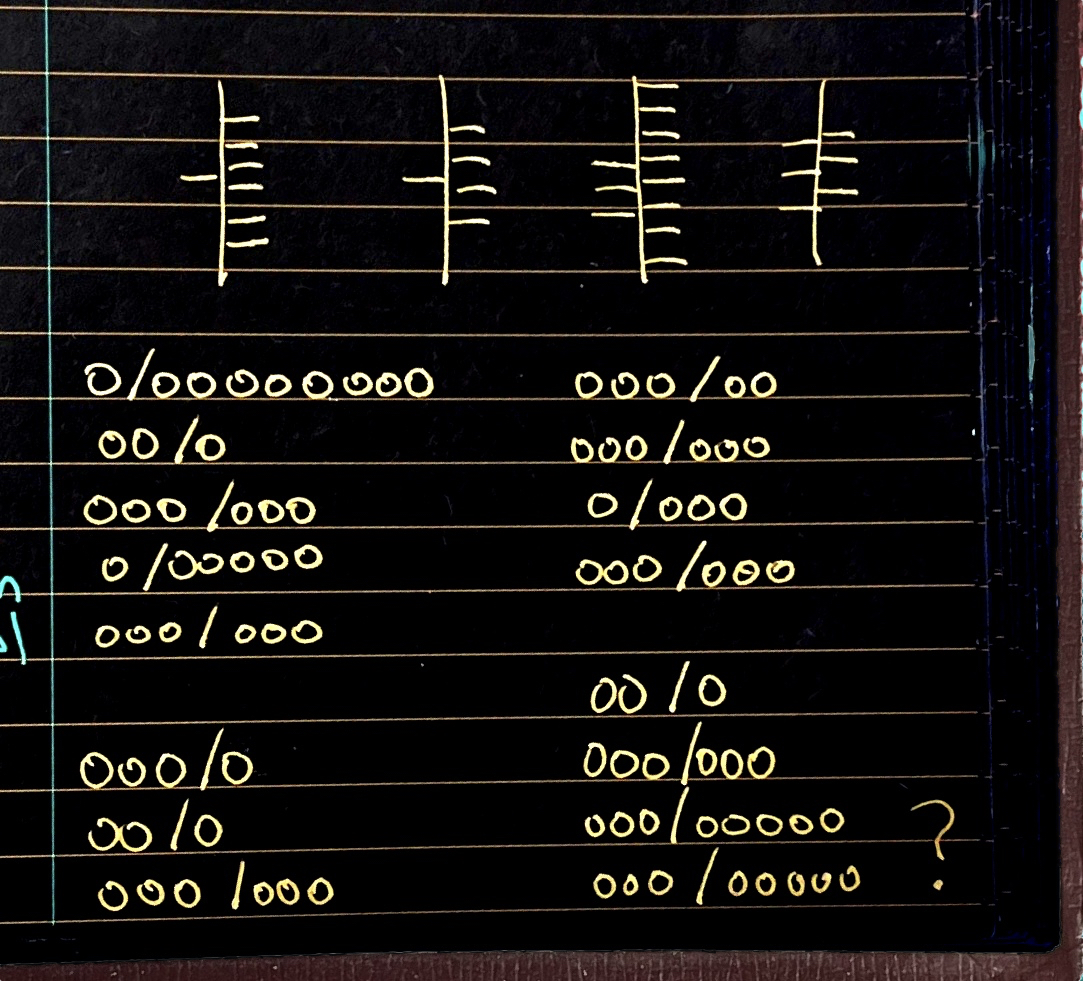 The rune carvers, the people who knew the Rune Poem by heart,
 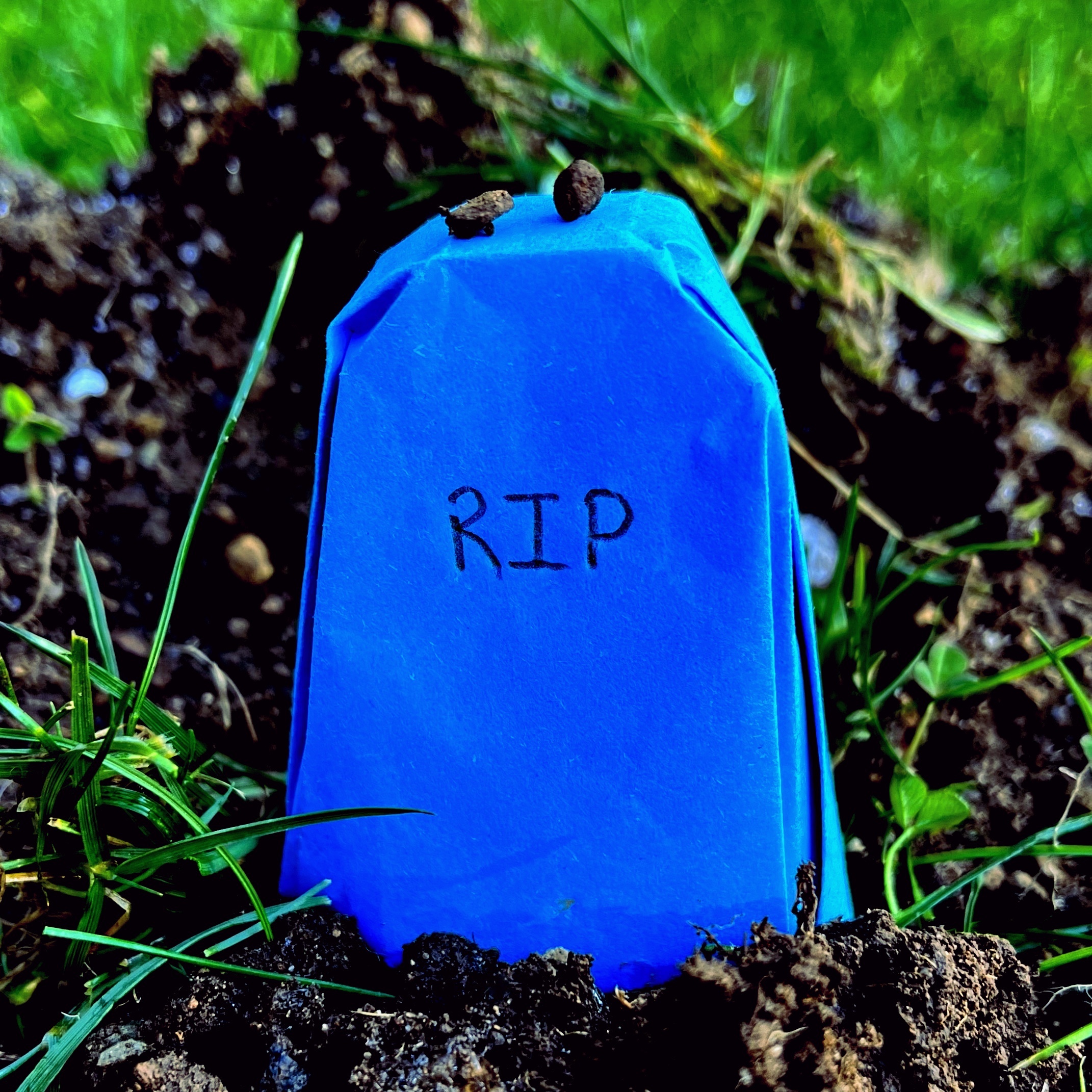 Tell me your future. Tell me, what do you hope will happen before you’re dead? And what is it you are afraid of? Never mind. Doesn’t matter what. The future is not in the what, it’s in the hope and the fear that you hold now, in the present. Whatever it is coming to you, or coming for you, is happening now. In here. In your mind. There is no other future. Well, there is the one thing that is going to happen, Ear says it for sure. It’s coming to you and it’s coming for you. You’ve got it coming. You’ll
 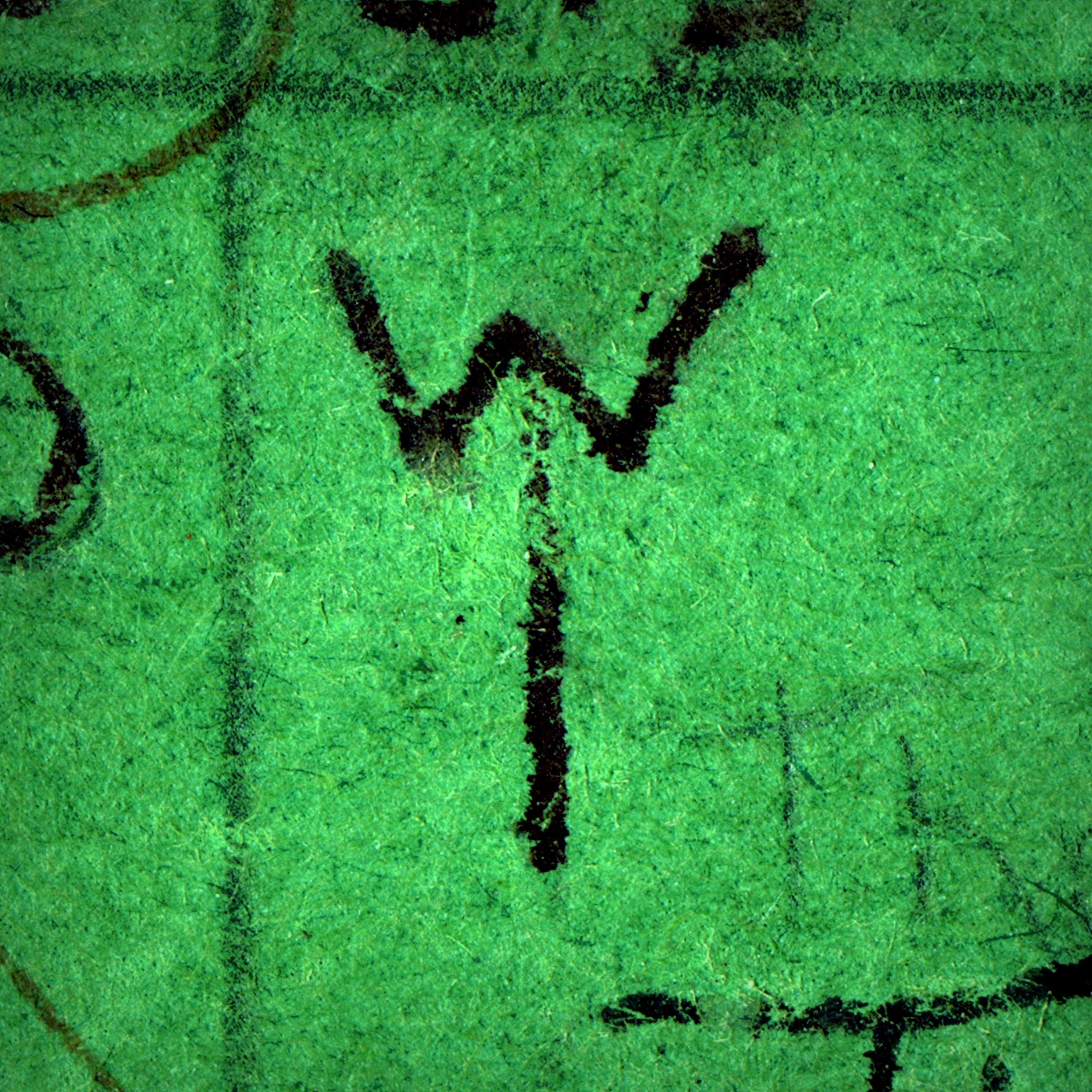 EA. Diphthong: a compound vowel. This one is deceased, we don’t use it any more. What did EA sound like? Maybe like EO, maybe like AU, emphasis on the E or the A because all Old English